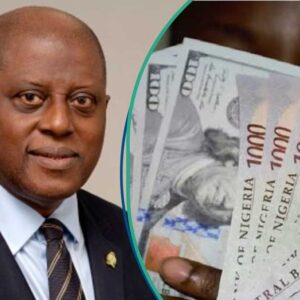
When the deck is stacked before the game even begins
Ever felt like you’re running on a treadmill — working day and night — but somehow still ending up at the same spot, or even slipping backwards? For millions of Nigerians, that’s not just a feeling. It’s reality. The odds were stacked before many even got started. What I call the Nigerian money trap is a hidden web of inequality, unfair structures, and economic pressures that keep hopes alive, but wallets empty.
Meanwhile, there’s a secret formula the rich seem to know — one that lets them stay ahead. Intrigued? Let’s peel back the curtain.

Why the “Nigerian Money Trap” isn’t just a cliché
Nigerians often hear tales about hard work paying off, but the truth is: work alone rarely beats the structural odds. Several interlocking forces keep ordinary people stuck in a cycle — even when they hustle hard.
First, the statistics paint a bleak picture. According to a recent analysis from Oxfam in Nigeria and partners, inequality in Nigeria is so extreme that just a tiny elite reaps the lion’s share of the nation’s wealth, while millions struggle to meet basic needs. (Oxfam in Nigeria)
Secondly, rural-urban and regional divides deepen the trap. The chances of escaping poverty are vastly different depending on where you live: rural areas, especially in the north, suffer far higher poverty levels than southern urban centres. (World Bank)
Lastly, macroeconomic shocks — inflation, devaluation, subsidy removal — repeatedly hit the weakest the hardest. Since 2018/19, millions of Nigerians have been pushed into poverty, even as the country’s headline GDP shows occasional growth. (World Bank)
Put together, these factors create a trap: no matter how hard many work, the structural pressure keeps them down.
Faces of the trap: Who gets stuck — and why
The money trap doesn’t hit equally. Some groups feel the squeeze more than others.
- Rural households and agricultural workers: Despite agriculture once being a backbone of Nigeria’s economy, many rural farmers remain poor. Weak infrastructure, limited access to markets, and lack of credit or modern farming technology hold back productivity. (ISS African Futures)
- Less educated individuals: Education remains a major determinant of opportunities. Adults without formal education, or only primary education, are far more likely to remain poor. (Punch Newspapers)
- Women and young people: Gender and age disparities play a role too. In many households, women, especially in rural areas, experience limited access to land, capital, or stable employment — reinforcing cycles of poverty. (Oxfam in Nigeria)
- Urban lower-income earners hit by inflation: Living in the city doesn’t guarantee escape. Rising food prices, high rent, fuel costs, and unpredictable economic policies often erode any small gains, sometimes worse than rural hardship. (Businessday NG)
The anatomy of the trap — how structural flaws lock people in place
Here’s a snapshot of how the Nigerian money trap works, layer by layer:
| Trap Component | What It Means in Practice | Effect on Ordinary People |
|---|---|---|
| Wealth inequality & tax evasion | A handful of elites hold huge fortunes, yet >99% of them avoid paying fair taxes. (Oxfam in Nigeria) | Less public revenue → under-funded health, education, infrastructure → limited public services for the poor. |
| Over-reliance on oil & weak diversification | Economy vulnerable to global oil prices; non-oil sectors under-developed. (Greener Journals) | Job scarcity, unstable incomes for most Nigerians outside oil-connected circles. |
| Unequal access to education & opportunities | Rural-urban, regional, gender divides in schooling and employment. (Punch Newspapers) | Limited social mobility — children often repeat parents’ economic status. |
| Inflation & cost-of-living shocks | Prices surge while wages stagnate — sometimes worsen with policy changes, subsidy removals. (World Bank) | Savings vanish, budgets crumble — people fall back rather than climb out. |
| Corruption and poor governance | Public resources siphoned off; social services mismanaged; rural investment neglected. (Greener Journals) | Infrastructure, healthcare, schools remain inadequate; poor remain disconnected from progress. |
This web traps not just poverty but hope — because as long as these structural flaws remain, individual effort often isn’t enough.
How the wealthy stay unscathed — the secret formula many don’t see
If you peek behind the scenes, the rich seem to follow an unwritten playbook. Meanwhile, the rest scramble for scraps. Here’s what the formula often looks like:
- Diversified assets and investments beyond income — Real estate, foreign currency holdings, stocks, businesses. When naira goes south, or inflation bites, these assets often cushion the blow. As one report noted, while ordinary Nigerians tighten belts, luxury SUVs still fly off showrooms and high-end estates rise in suburbs. (Businessday NG)
- Tax avoidance and exploiting weak governance: Many wealthy Nigerians evade taxes or benefit from loopholes. As highlighted by Oxfam’s study, compliance among the richest is extremely low — meaning public services remain underfunded while inequality grows. (Oxfam in Nigeria)
- Access to networks, capital, and inside information: Elite circles benefit from privileged access to foreign exchange traders, credit, government contracts, or import quotas — resources inaccessible to the common person. (Businessday NG)
- Ability to hedge against inflation and currency depreciation: By holding dollars or foreign assets, or owning properties, the rich protect their wealth when naira loses value — a protection ordinary income earners rarely have. (Businessday NG)
So while ordinary folks live hand-to-mouth, the wealthy ride out crises — sometimes even profiting.
Real lives, hard truth: What poverty means daily
Behind the statistics are real people — mothers skipping meals, children dropping out of school, and families paying rent with what’s left after buying food.
I’m reminded of a story a friend told me last year: her uncle, a petty trader in a crowded Lagos market, worked sunrise to sundown. But by evening, the money from sales barely covered transport and food. A sudden price hike on goods meant that what sold yesterday at a profit was today sold at a loss. At the end of the month, he had nothing to save. No pension. No safety net. Just hopes to run harder next month.
That’s the Nigerian money trap in human form: sweat that leads nowhere, effort that feeds hardship, not hope.
The consequences ripple: poor nutrition, lack of healthcare access, children unable to stay in school, and dreams deferred. As the data shows, large segments of the population remain trapped in poverty, even as the nation’s GDP shuffles numbers upward. (World Bank)
Can Nigerians escape the trap? — What has to change
Yes — but it won’t come from hustle alone. Escaping this trap demands structural reforms, fairer systems, and a shift in opportunity. Here’s what could change the game:
1. Progressive taxation and closing loopholes
If the wealthy paid their fair share, the country would have far more resources to invest in schools, hospitals, rural infrastructure — all the building blocks for real upward mobility. Reports suggest that proper tax reform could raise billions annually in revenue for social investment. (Oxfam in Nigeria)
2. Diversified economy beyond oil
Investing in agriculture, manufacturing, technology, and services — sectors that can provide stable jobs to millions — would reduce vulnerability to volatile oil prices. Encouraging rural enterprise and boosting productivity in agriculture can help lift whole communities. As some researchers note, over-reliance on oil has hollowed out other sectors, limiting job creation. (Greener Journals)
3. Equal access to quality education and skill development
Closing the rural–urban school divide, improving teacher quality, and fostering vocational / technical training would give many young Nigerians tools to reinvent their economic prospects. Education remains one of the most powerful equalizers — when properly executed. (Punch Newspapers)
4. Social protection and safety nets for the vulnerable
Cash transfers, affordable healthcare, food subsidies, housing support — structured and consistent social safety nets can cushion shocks (like inflation, disasters) that hit the poorest hardest, reducing the chance that one bad month pushes a family back into deep poverty. (ISS African Futures)
5. Transparency, accountability, and tackling corruption
When public budgets are mismanaged and funds siphoned, development stalls. Strengthening institutions, ensuring transparency in public spending, and holding leaders accountable can redirect resources back to the people who need them. (Greener Journals)
Why telling this story matters — and why we should care
This isn’t just a story about numbers. It’s about dignity. It’s about dreams cut short. It’s about a nation where ambition collides daily with unfair structures.
By shining a light on the “Nigerian money trap,” we stop accepting poverty as inevitable — and we start demanding change. When people understand the system, they can fight it. When citizens see the inequality, they can demand justice. When society acknowledges the trap, solutions become possible.
Because no one — not you, not me, not anyone — should have to hustle for decades only to end up poorer than they began.
Final Thoughts: The trap is real — but the escape route exists
The “Nigerian money trap” is no urban legend. It’s a living, breathing phenomenon — built on inequality, broken systems, and unfair advantage. Yet, the hidden formula of the rich does not have to stay hidden forever.
With structural reform, transparency, expanded opportunity, and social investment — Nigeria can begin to unravel the trap. Real escape starts not with hustle alone, but with fairness, access, and systemic change.
If you found this post eye-opening, share it with friends. Maybe someone you know is stuck — and recognizing the trap could be the first step toward breaking free