Find Reliable Shipping Agents: The Ultimate Online Side Hustle Guide for Mini Importation in Nigeria
Written by Adewale Okonkwo, a supply chain logistics consultant and e-commerce strategist with over 8 years of experience advising small businesses across West Africa on cross-border trade, importation workflows, and digital commerce.
The One Thing That Makes or Breaks Your Mini Importation Business
You found the perfect product. The price is right. You can already see the profit margin dancing before your eyes. Then your shipping agent disappears with your money, and suddenly your “side hustle” becomes a very expensive lesson.
If that scenario made your stomach tighten, you are not alone. Thousands of Nigerians lose money every single month not because mini importation does not work, but because they trusted the wrong shipping agent. The product sourcing part? Most people eventually figure that out. The real make-or-break moment, the part nobody talks about enough, is finding a shipping agent who will not wreck your business before it even begins.
This is the complete, no-nonsense guide to finding, vetting, and building lasting relationships with reliable shipping agents for your mini importation online side hustle in Nigeria. Whether you are importing fashion accessories from Guangzhou, electronics from Shenzhen, or beauty products from Istanbul, what you are about to read could save you hundreds of thousands of naira and years of frustration.
We will cover exactly what shipping agents do, where to find them, the red flags that scream “run,” the green flags that say “partner up,” and the specific steps to test an agent before trusting them with serious money. By the end, you will have a repeatable, foolproof system for vetting anyone who claims they can ship your goods.
Let us get into it.
Why Your Online Side Hustle in Mini Importation Depends on Shipping Agents
Before we talk about finding agents, let us make sure we are on the same page about why they matter so much.
Mini importation is one of the most accessible and profitable online side hustle models available to Nigerians today. The concept is straightforward: buy products in bulk (or even small quantities) from international suppliers, ship them to Nigeria, and resell at a markup. With platforms like Alibaba, 1688, DHgate, and even Turkish wholesale sites, sourcing has never been easier.
But here is the catch. You are not walking into a shop in China, picking up your goods, and flying home with them. You need someone on the ground in that foreign country, or at least a logistics system, to consolidate your goods, handle export paperwork, and ship everything to your doorstep in Lagos, Abuja, Port Harcourt, or wherever you are based.
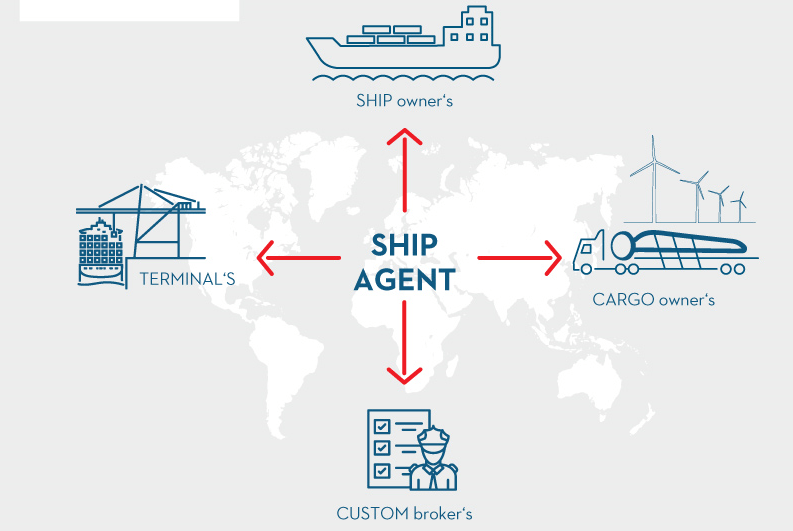
That someone is your shipping agent. They are the bridge between your supplier and your front door.
A good shipping agent does the following:
- Receives goods from multiple suppliers at their local warehouse
- Inspects, photographs, and confirms product quality on your behalf
- Consolidates multiple orders into a single shipment to save you money
- Handles export documentation and customs paperwork
- Arranges air freight or sea freight depending on your budget and timeline
- Communicates proactively about delays, costs, and delivery windows
- Assists with Nigerian customs clearance (some full-service agents do this)
A bad shipping agent? They do none of this reliably, and in the worst cases, they simply take your money and vanish.
According to the National Bureau of Statistics (NBS), Nigeria’s informal trade and small-scale importation sector has grown significantly, with non-oil imports consistently representing a major component of trade activity. This growth means more people are entering the mini importation space, and unfortunately, more unscrupulous “agents” are popping up to exploit newcomers.
Understanding the role of a shipping agent is step one. Now let us talk about where to actually find them.
Where to Find Shipping Agents for Your Online Side Hustle in Nigeria
Finding shipping agents is not the hard part. Finding good ones is. But you need to know where to look before you can start filtering.
Here are the primary channels Nigerian mini importers use to find shipping agents, ranked roughly from most common to least common.
1. Facebook Groups and WhatsApp Communities
This is where the vast majority of Nigerian mini importers find their first shipping agent. Facebook groups like “Mini Importation Business Nigeria,” “China to Nigeria Shipping,” and “1688 Importers Nigeria” are buzzing with agent recommendations, warnings, and reviews.
WhatsApp groups dedicated to importation often have agents embedded in them, actively advertising their services. The advantage here is social proof. You can see real conversations, ask for reviews, and get direct referrals from people who have actually used an agent.
The downside? These spaces are also hunting grounds for scammers. We will address how to filter signal from noise shortly.
2. Instagram and TikTok
Many shipping agents now market heavily on Instagram and TikTok, posting warehouse tours, packing videos, and testimonials. Agents who show their faces, their warehouses, and their daily operations on video tend to be more trustworthy than faceless profiles.
Search hashtags like #MiniImportationNigeria, #ChinaToNigeria, #ShippingAgentNigeria, and #1688Agent to find active agents.
3. Alibaba and 1688 Platform Recommendations
Some suppliers on Alibaba will recommend shipping agents they work with regularly. While this can be convenient, be cautious. The supplier’s recommendation benefits the supplier, not necessarily you. Always vet independently.
4. Importation Training Programs and Courses
If you enrolled in a mini importation course (there are dozens in Nigeria, from affordable to premium), the course creator often recommends specific agents. These tend to be more reliable because the course creator’s reputation is on the line. But still, verify independently.
5. Referrals from Fellow Importers
Word of mouth remains king. If you know someone who has been importing successfully for six months or more, ask who they use. A personal referral from a trusted person is worth more than a hundred Instagram ads.
6. Logistics Platforms and Aggregators
Newer platforms and logistics startups are emerging to formalize the shipping agent space. Companies and platforms that aggregate shipping services, provide tracking, and offer dispute resolution are gaining traction. These include services like Superbuy, CSSBuy (for specific product types), and some Nigeria-focused logistics startups.
Now that you know where to look, let us get to the most important part: how to separate the reliable agents from the ones who will ruin your month.
How to Vet Shipping Agents: A Step-by-Step System for Your Online Side Hustle
This is the core of this guide. Read this section carefully. Bookmark it. Come back to it every time you consider working with a new agent.
Vetting is not a one-time activity. It is a process. And it starts before you send a single naira.
Step 1: Check Their Digital Footprint
A legitimate shipping agent should have a traceable online presence. This does not mean they need a fancy website (many excellent agents operate primarily through WhatsApp and WeChat). But they should have:
- A consistent business name across platforms
- A verifiable phone number (preferably both a Nigerian and Chinese/Turkish number)
- Active social media accounts with a history of posts (not created last week)
- Photos and videos of their warehouse, team, and operations
- Customer reviews or testimonials that you can verify
If an agent has zero online presence beyond a single WhatsApp number, proceed with extreme caution.
Step 2: Request Warehouse Photos and Videos
Ask the agent to send you a live video of their warehouse. Not a polished promotional video, a live, real-time video showing your name or a specific word written on paper held up in the warehouse. This is a classic verification technique, and legitimate agents will not hesitate to comply.
If they refuse or make excuses, that is your first red flag.
Step 3: Ask for References from Nigerian Customers
A reliable agent will have Nigerian clients who are willing to vouch for them. Ask for at least three references, and actually contact those people. Ask them:
- How long have you been using this agent?
- Have you ever had a missing or damaged shipment? How was it resolved?
- How does the agent communicate? Are they responsive?
- Have prices ever changed unexpectedly after you paid?
- Would you trust this agent with a shipment worth ₦500,000 or more?
If the references feel scripted or the agent cannot provide any, walk away.
Step 4: Start with a Small Test Shipment
This is non-negotiable. Never, ever send a large order through a new agent on your first transaction.
Order a small, inexpensive item. Something worth ₦10,000 to ₦30,000 at most. Track the entire process:
- How quickly did the agent respond to your initial inquiry?
- Did they provide a clear price breakdown (product cost, local shipping to warehouse, international shipping, and any additional fees)?
- Did they send photos of the item when it arrived at their warehouse?
- Did they package the item properly?
- How long did shipping take compared to what they promised?
- Was the final cost what they quoted, or were there surprise charges?
- Did the item arrive in good condition?
One successful test shipment does not mean the agent is perfect. But a failed test shipment tells you everything you need to know.
Step 5: Evaluate Communication Quality
Communication is the single strongest predictor of a good shipping agent. Pay attention to:
- Response time: Do they reply within a few hours, or do you wait days?
- Clarity: Do they explain costs and timelines clearly, or are things always vague?
- Proactivity: Do they notify you of problems before you have to ask?
- Language: Can you communicate effectively? Many agents serving the Nigerian market speak English, but confirm this early.
- Availability: What are their working hours? Remember, China is 7 hours ahead of Nigeria (WAT). A good agent will have systems to handle communication across time zones.
Step 6: Verify Their Pricing Structure
Shipping agents make money in several ways, and understanding their pricing model helps you spot overcharging or hidden fees.
Common charges include:
- Weight-based shipping fees: Charged per kilogram. Air freight from China to Nigeria typically ranges from $8 to $15 per kg depending on the agent, season, and shipping speed.
- Volume-based shipping fees: For lightweight but bulky items, agents may charge based on volumetric weight.
- Warehouse storage fees: Some agents charge if your goods sit in their warehouse beyond a certain number of days.
- Consolidation fees: A small fee for combining multiple orders into one shipment.
- Insurance: Optional but recommended for high-value shipments.
- Nigerian customs clearance fees: If the agent offers door-to-door service, this is included.
Ask for a complete fee schedule in writing before your first shipment. Compare this with at least two other agents to gauge market rates. If an agent’s price is dramatically lower than everyone else’s, be suspicious. Unrealistically low prices are often a bait-and-switch tactic.
Step 7: Check for Customs Knowledge
A shipping agent who serves the Nigerian market should understand Nigerian customs regulations, at least at a basic level. Ask them:
- What items are commonly seized or delayed at Nigerian customs?
- How do they declare shipments to minimize duty charges (legally)?
- Do they offer door-to-door delivery, or only port-to-port?
- What happens if your shipment is held by customs?
An agent who cannot answer these questions confidently is either too new or not focused enough on the Nigerian market.
Red Flags: Warning Signs of Unreliable Shipping Agents in Your Online Side Hustle
Knowing what to look for is just as important as knowing what to avoid. Here are the red flags that experienced mini importers have learned to recognize, often the hard way.
They Demand Full Payment Upfront with No Receipts
A legitimate agent may require partial payment upfront (this is normal), but they should always provide a detailed invoice or receipt. If an agent insists on full payment before any work is done and refuses to provide documentation, you are being set up.
Their Prices Keep Changing
If the quoted price for shipping changes after you have already sent your goods to their warehouse, this is a classic manipulation tactic. The agent knows you are now dependent on them, so they inflate the price. Always get written quotes confirmed before goods are dispatched to the warehouse.
They Are Unreachable for Days
Communication gaps of more than 48 hours without prior notice are unacceptable. Your goods are sitting in a foreign country. You need to know what is happening. An agent who goes silent is either overwhelmed (bad sign), disorganized (worse sign), or planning to disappear (worst sign).
They Have No Physical Warehouse
Some “agents” are actually middlemen who subcontract everything to another agent. This means you are paying a markup for no added value, and there is an extra layer of risk. Ask to see their warehouse. If they keep deflecting, they probably do not have one.
They Refuse to Send Product Inspection Photos
A basic service that every legitimate shipping agent provides is photographing your goods when they arrive at the warehouse. This confirms the right products were received in the right quantity and condition. If an agent will not do this, they are not serious about serving you.
They Pressure You to Ship Prohibited Items
Some agents will encourage you to ship items that are restricted or prohibited in Nigeria (certain pharmaceuticals, some electronics, specific food items) by claiming they have “connections” at customs. This is a trap. Best case, your goods get seized. Worst case, you face legal trouble.
Their Social Media Reviews Look Fake
If every review is a glowing five-star testimonial with generic language and no specific details, be skeptical. Real reviews mention specific products, timelines, and experiences. Fake reviews say things like “Best agent ever! Very fast!” with no context.
Green Flags: Signs You Have Found a Reliable Shipping Agent for Your Online Side Hustle
Now let us talk about what right looks like. These are the indicators that you have found a keeper.
They Are Transparent About Costs from Day One
A reliable agent will provide a complete breakdown of all fees before you commit. No surprises, no hidden charges, no “Oh, I forgot to mention this fee.” Transparency builds trust, and trustworthy agents know this.
They Proactively Update You
You should not have to chase your agent for updates. A good agent sends you photos when goods arrive, notifies you when your shipment is dispatched, provides tracking numbers, and warns you about potential delays. If you find yourself always reaching out first, the agent is not providing adequate service.
They Have Longevity and Consistency
An agent who has been operating for two or more years and has a steady base of returning Nigerian customers is a strong bet. Longevity in the shipping agent business is earned through consistent, reliable service. Scammers do not last that long because word spreads.
They Offer Structured Payment Options
Good agents understand the Nigerian market well enough to offer flexible payment methods. They accept payments through Payoneer, Wise (formerly TransferWise), direct bank transfers (both naira and foreign currency), and sometimes even local payment gateways. Some agents allow you to pay in naira equivalent, making the process smoother.
The fact that they accommodate Nigerian payment realities shows they are experienced with this market.
They Have Clear Policies for Disputes
What happens if your goods arrive damaged? What if something goes missing? A reliable agent will have a clear dispute resolution process, even if it is informal. They will typically offer partial refunds, replacement shipments, or insurance claims depending on the situation.
Ask about their policy before you ship. An agent who says “That has never happened” is either lying or has not shipped enough goods to encounter normal logistics problems.
They Educate You
The best shipping agents actively help their customers become better importers. They will warn you about products with high seizure rates, suggest better shipping methods for specific item types, and advise you on how to save money. This kind of agent sees you as a long-term client, not a one-time transaction.
Types of Shipping Agents and Which Suits Your Online Side Hustle Best
Not all shipping agents are the same. Understanding the different types helps you choose the right one for your specific needs and budget.
Full-Service Agents (Door-to-Door)
These agents handle everything from warehouse receipt in China (or wherever you are sourcing) to delivery at your doorstep in Nigeria. They manage international shipping, customs clearance, and local delivery.
Best for: Beginners who want a hands-off experience and are willing to pay a premium for convenience.
Cost: Higher per-kg rates, but you avoid the hassle of dealing with customs yourself.
Risk level: Lower, because the agent handles the most complex parts of the process.
Warehouse-to-Port Agents
These agents consolidate your goods and ship them to a Nigerian port (typically Lagos or Apapa). You are responsible for customs clearance and local pickup.
Best for: Intermediate importers who have a customs broker or clearing agent in Nigeria.
Cost: Lower shipping rates, but you pay separately for customs clearance.
Risk level: Moderate, because customs clearance introduces variables outside the agent’s control.
Sourcing-Plus-Shipping Agents
Some agents offer a combined service: they source products on your behalf AND ship them. This is convenient but adds a layer of dependency. If the agent sources low-quality products, you are stuck.
Best for: Importers who are sourcing from platforms like 1688 (which is entirely in Chinese) and need someone to communicate with suppliers.
Cost: Variable. Usually includes a sourcing commission (5-10% of product cost) plus shipping fees.
Risk level: Higher, because you are trusting one person with both product quality and logistics.
Freight Forwarders (for Larger Shipments)
If your mini importation has grown beyond “mini,” you may need a freight forwarder rather than a personal shipping agent. Freight forwarders handle bulk shipments via sea freight, typically in 20ft or 40ft containers.
Best for: Established importers shipping large volumes regularly.
Cost: Much lower per-unit cost, but higher total cost due to volume.
Risk level: Lower for shipping, but higher financial risk due to larger capital commitment.
Comparison Table: Shipping Agent Types for Your Online Side Hustle
| Feature | Full-Service (Door-to-Door) | Warehouse-to-Port | Sourcing + Shipping | Freight Forwarder |
|---|---|---|---|---|
| Cost per KG (Air) | ₦6,500 – ₦12,000 | ₦4,500 – ₦8,000 | ₦7,000 – ₦13,000 | N/A (Sea freight) |
| Cost per CBM (Sea) | ₦150,000 – ₦250,000 | ₦100,000 – ₦180,000 | ₦160,000 – ₦270,000 | ₦80,000 – ₦140,000 |
| Customs Clearance | Included | Not included | Sometimes included | Usually included |
| Product Inspection | Yes | Yes | Yes (they sourced it) | Rarely |
| Best For | Beginners | Intermediate importers | Non-Chinese speakers | High-volume importers |
| Typical Delivery Time (Air) | 7-14 days | 10-18 days | 10-18 days | 30-60 days (Sea) |
| Startup Capital Needed | ₦50,000+ | ₦30,000+ | ₦50,000+ | ₦500,000+ |
| Skill Barrier | Beginner | Intermediate | Beginner | Advanced |
| Risk of Scam | Moderate | Moderate | Higher | Lower |
| Payment Methods | Wise, Payoneer, Bank Transfer | Wise, Payoneer, Bank Transfer | Wise, Payoneer, Bank Transfer | Bank Transfer, LC |
Note: Prices are estimates as of mid-2025 and fluctuate based on exchange rates, fuel surcharges, and seasonal demand. Always request current quotes from multiple agents.
The Economics of Shipping: What Your Online Side Hustle Budget Should Look Like
Understanding shipping costs is critical because they directly eat into your profit margin. Let us break down a realistic scenario.
Example: Importing Fashion Accessories from China
Suppose you want to import 20kg of fashion accessories (jewelry, hair accessories, sunglasses) from Guangzhou to Lagos.
Cost Breakdown:
- Product cost: ₦150,000 (roughly $100 at current rates)
- Domestic shipping within China (supplier to agent’s warehouse): ₦5,000 – ₦15,000
- International air freight (20kg x ₦7,500/kg): ₦150,000
- Customs duty and clearance (if using door-to-door): Included in shipping, or ₦20,000 – ₦40,000 separately
- Agent’s consolidation/handling fee: ₦5,000 – ₦10,000
Total landed cost: Approximately ₦330,000 – ₦365,000
If you resell those items for a total of ₦600,000 – ₦750,000 (which is realistic with proper product selection and marketing), your profit is ₦235,000 – ₦420,000.
That is a healthy margin, but notice how shipping costs represent nearly half of your total investment. This is why choosing the right agent at the right price matters enormously. A difference of even ₦1,000 per kilogram across 20kg is ₦20,000, which compounds significantly over multiple shipments per month.
Building a Long-Term Relationship with Your Shipping Agent: An Online Side Hustle Strategy
Finding a good agent is step one. Keeping them, and getting better service over time, is the long game.
Be a Good Client
Agents prioritize clients who are easy to work with: clear in their communication, prompt with payments, and realistic in their expectations. If you are constantly haggling over tiny amounts, sending unclear instructions, or blaming the agent for things outside their control (like customs delays), you will get deprioritized.
Pay on Time, Every Time
Nothing destroys a business relationship faster than late payments. If your agent quotes you a price and you agree, pay promptly. Many agents operate on tight cash flows because they are fronting costs for warehouse space, labor, and freight charges.
Consolidate Your Shipments
Instead of sending one item every week, batch your orders and ship once or twice a month. This is cheaper per kg (agents often offer volume discounts), easier for the agent to manage, and reduces the risk of individual packages getting lost.
Provide Feedback
If something went wrong, tell your agent constructively. If something went right, tell them too. Agents who serve the Nigerian market are often juggling dozens of clients simultaneously. Feedback helps them improve their service, and agents who see you as a partner rather than just a customer will go the extra mile for you.
Have a Backup Agent
Even with the best agent in the world, things can go wrong. Political events, natural disasters, platform shutdowns, or personal emergencies can disrupt service. Always have a vetted backup agent ready to go. This is not being disloyal. It is being smart.
Navigating Nigerian Customs: What Your Shipping Agent Should Help You Understand
Customs clearance is the stage where many mini importation shipments stall, get delayed, or become unexpectedly expensive. A good shipping agent will help you navigate this, but you also need to understand the basics yourself.
Know What You Are Importing
Nigeria has a list of prohibited and restricted imports managed by the Nigerian Customs Service. Items like certain used clothing, some food products, and specific electronics categories can be problematic. Before importing anything, check the current prohibited items list.
Your shipping agent should be able to advise you on this, but do not rely solely on their judgment. Verify independently.
Understand Duty Rates
Import duties in Nigeria vary widely depending on the product category. Fashion items, electronics, and beauty products each have different duty rates. According to Investopedia’s guide to import duties, import duties are taxes levied on goods when they cross international borders, and they vary significantly by product classification and country of origin.
Your agent should be able to give you a rough estimate of duties for your product type. If they have no idea, they lack experience with Nigerian shipments.
Declare Honestly
It is tempting to under-declare the value of your shipment to reduce duties. Many agents will even suggest this. But under-declaration is illegal, and Nigerian customs officers are increasingly sophisticated. Getting caught can result in seizure of your goods, fines, or blacklisting. The short-term savings are not worth the long-term risk.
Use a Reliable Clearing Agent (If Needed)
If your shipping agent does not handle customs clearance, you will need a Nigerian clearing agent at the port. The same vetting principles apply: get referrals, start small, demand transparency, and build trust gradually.
Common Scams to Avoid in the Mini Importation Online Side Hustle Space
Let us be honest about the darker side of this industry. Scams are real, and they cost Nigerian mini importers millions of naira annually.
The “Fake Agent” Scam
Someone creates a social media profile, posts borrowed photos of a warehouse, collects payments from multiple people, and disappears. This is the most common scam and the easiest to avoid if you follow the vetting steps above (live video verification, references, test shipments).
The “Bait and Switch” Scam
An agent offers incredibly low shipping rates to attract clients, then inflates the price once your goods are already in their warehouse. By this point, you have limited options: pay the inflated price or abandon your goods.
Prevention: Always get written quotes confirmed via text/email before dispatching goods to the agent’s warehouse.
The “Substitution” Scam
Your agent receives your goods but ships inferior substitutes while keeping or reselling the original items. This is harder to detect because you only discover the switch when the package arrives in Nigeria.
Prevention: Require detailed inspection photos with your name/order number visible alongside the products. Some importers use unique markers (specific stickers, tags, or written notes inside packages) to verify authenticity.
The “Insurance” Scam
An agent charges you for shipping insurance, but when something goes wrong, there is no actual insurance policy. The “insurance fee” was just extra profit for the agent.
Prevention: Ask for proof of the insurance policy. If they cannot provide documentation from a recognized insurer, the insurance is not real.
The “Customs Bribe” Scam
An agent claims your goods were seized by customs and demands an additional “facilitation fee” to release them. Sometimes the goods were never seized. The agent is simply extracting extra money.
Prevention: Request the customs seizure notice (it is an official document). If the agent cannot provide one, the seizure likely did not happen.
Realistic Income Expectations: Your Online Side Hustle Through Mini Importation
Let us set honest expectations about what you can earn.
Beginner Level (Months 1-3)
- Investment per shipment: ₦50,000 – ₦150,000
- Potential profit per shipment: ₦25,000 – ₦75,000
- Shipments per month: 1-2
- Monthly income: ₦25,000 – ₦150,000
At this stage, you are learning. You will make mistakes, and some shipments will be less profitable than expected. That is normal.
Intermediate Level (Months 4-12)
- Investment per shipment: ₦150,000 – ₦500,000
- Potential profit per shipment: ₦75,000 – ₦250,000
- Shipments per month: 2-4
- Monthly income: ₦150,000 – ₦1,000,000
By now you have a reliable agent, understand your market, and have a customer base. Profit margins improve because you are buying in better quantities and negotiating better rates.
Advanced Level (Year 2+)
- Investment per shipment: ₦500,000 – ₦2,000,000+
- Potential profit per shipment: ₦200,000 – ₦800,000+
- Shipments per month: 4-8
- Monthly income: ₦800,000 – ₦3,000,000+
At this level, you may have multiple agents, an established brand, and potentially a physical or online store. Some importers at this level transition from side hustle to full-time business.
These figures are realistic but not guaranteed. Your actual results depend on product selection, marketing skills, customer service, and yes, the reliability of your shipping agent.
Payment Methods and Financial Tools for Nigerian Mini Importers
Paying your shipping agent safely is another critical piece of the puzzle. Here are the most common methods and their pros and cons for Nigerian importers.
Wise (Formerly TransferWise)
Wise offers competitive exchange rates and low fees for international transfers. Many shipping agents accept Wise payments in USD or CNY. It is one of the most popular options among Nigerian importers.
Pros: Low fees, good exchange rates, fast transfers. Cons: Verification can be tricky for some Nigerian users. Account funding via naira can be affected by CBN policies.
Payoneer
Payoneer is widely used in Nigeria’s freelance and e-commerce ecosystem. Some agents accept Payoneer payments, especially those who serve international clients.
Pros: Trusted platform, easy to use, good for receiving and sending international payments. Cons: Fees can add up, and not all agents accept it.
Direct Bank Transfer
Some agents provide Chinese, Turkish, or other foreign bank account details for direct transfers. Your Nigerian bank can process this, though fees and exchange rates vary.
Pros: Direct and traceable. Cons: High bank fees, slow processing (3-5 business days), and poor exchange rates from Nigerian banks.
Alipay and WeChat Pay
For agents based in China, Alipay and WeChat Pay are the most common local payment methods. Some agents will accept payment through these platforms if you have access (some Nigerians use intermediary services for this).
Pros: Instant, no fees, preferred by Chinese agents. Cons: Difficult for most Nigerians to access directly.
Cryptocurrency
A growing number of agents now accept USDT (Tether) or other stablecoins. This bypasses traditional banking friction entirely.
Pros: Fast, no bank interference, borderless. Cons: Volatility risk (if using non-stablecoins), regulatory gray area in Nigeria, and harder to dispute payments.
Regardless of which method you use, always keep records of every payment: screenshots, receipts, transaction IDs. These are your evidence if anything goes wrong.
Seasonal Considerations: When Shipping Costs and Timelines Affect Your Online Side Hustle
Shipping is not the same year-round. Understanding seasonal patterns can save you money and prevent nasty surprises.
Chinese New Year (January/February)
Factories and warehouses in China shut down for 2-4 weeks. If your agent is China-based, expect major delays during this period. Plan shipments well in advance or stock up before the holiday.
Q4 Peak Season (October-December)
Global shipping demand surges ahead of Black Friday, Christmas, and New Year. Shipping costs increase by 20-40%, and delivery times are longer. If you are importing for the Nigerian holiday market (Christmas, end-of-year parties), start ordering in September or early October.
Rainy Season in Nigeria (June-September)
While this does not affect international shipping, local delivery within Nigeria can be slower and more challenging during heavy rains. Factor this into your delivery promises to customers.
Exchange Rate Fluctuations
The naira-to-dollar (or naira-to-yuan) exchange rate directly impacts your costs. A sudden depreciation of the naira can make a previously profitable product unprofitable overnight. Monitor exchange rates and factor potential fluctuations into your pricing.
Advanced Tips for Scaling Your Online Side Hustle with Multiple Shipping Agents
Once you have mastered the basics, here are strategies used by experienced Nigerian importers to scale.
Use Different Agents for Different Product Categories
An agent who excels at shipping fashion items might not be the best for electronics. Electronics require special handling, different customs classifications, and sometimes specific certifications. Having specialized agents for different product categories improves reliability.
Negotiate Volume Discounts
As your shipment volumes increase, you gain negotiating power. Most agents will offer reduced per-kg rates for consistent, high-volume clients. Do not be shy about asking for better rates once you have established a track record.
Build Relationships with Agents in Multiple Countries
While China dominates the mini importation space, Turkey, Dubai (UAE), the UK, and the US are also popular sourcing destinations for Nigerian importers. Having vetted agents in multiple countries diversifies your supply chain and gives you access to different product categories.
Create Standard Operating Procedures (SOPs)
Document your entire process: how you place orders, how you communicate with agents, how you track shipments, how you handle disputes. As your business grows, you may bring on team members or virtual assistants. SOPs ensure consistency and reduce errors.
Join Premium Importation Communities
Free Facebook groups are great for beginners, but premium communities (paid membership groups, masterminds, or mentorship programs) offer higher-quality connections, vetted agent lists, and advanced strategies. The investment in a good community often pays for itself within one or two shipments.
Risks and Realistic Expectations for Mini Importation as an Online Side Hustle
Let us be real. Mini importation is not a get-rich-quick scheme, and it comes with genuine risks.
Financial Risk
You are spending real money on products, shipping, and customs. If a shipment is lost, seized, or damaged, you bear the loss. Start with money you can afford to lose, and scale gradually.
Time Investment
Finding products, communicating with suppliers and agents, managing shipments, marketing your products, and handling customer service takes significant time. Expect to spend 10-20 hours per week in the early months.
Market Risk
Just because a product is cheap to import does not mean Nigerians will buy it. Market research, understanding your target audience, and testing products before going big are essential.
Regulatory Risk
Nigerian import policies can change with little notice. Products that are freely importable today might face restrictions tomorrow. Stay informed by following Nigerian customs updates and trade news.
Agent Risk
Even after thorough vetting, an agent might underperform or become unreliable over time. This is why backup agents and ongoing relationship management are so important.
Currency Risk
Naira volatility can erode your margins overnight. Consider pricing your products with a buffer to account for exchange rate fluctuations, and never hold large amounts in naira if you plan to make foreign purchases soon.
Despite these risks, mini importation remains one of the most accessible and scalable online side hustle models for Nigerians. The key is approaching it as a real business, not a lottery ticket.
Conclusion: Your Shipping Agent Is Your Business Partner
Here is the truth that nobody tells you when you are scrolling through flashy mini importation testimonials on Instagram: your shipping agent is arguably the most important person in your business after you.
They handle your money. They handle your products. They determine whether your customers receive their orders on time and in good condition. A bad agent can destroy months of hard work in a single shipment. A great agent can be the foundation of a business that changes your financial life.
Finding that great agent is not about luck. It is about process. Follow the vetting steps in this guide. Be patient. Start small. Pay attention to the red flags and green flags. Build the relationship over time. And always, always have a backup plan.
The mini importation online side hustle has created real wealth for thousands of Nigerians. Not theoretical, Instagram-flex wealth, but real, life-changing, “I can now afford to take care of my family and plan for the future” wealth. The people who succeed are not smarter or luckier than you. They just found reliable systems and reliable people. Your shipping agent is the most critical part of that system.
You now have the complete playbook. The question is: what will you do with it?
Your Next Move
Which part of the shipping agent vetting process do you find most challenging? Have you had a great (or terrible) experience with a shipping agent? Drop your story in the comments below. Your experience could save another importer from making a costly mistake.
Disclaimer: This article is for informational purposes only. All income figures are estimates based on reported experiences and market conditions as of mid-2025. Individual results vary based on effort, skill, market conditions, and factors beyond our control. Always do your own due diligence before investing money in any business venture.