
You’ve just landed your first remote job. The salary hits your account, and suddenly, the world feels full of possibilities. But then your internet cuts out mid-meeting for the third time this week, your landlord demands you move because “you’re always home,” and you realize you’re working from a café because the power at home is unreliable. Welcome to the unfiltered reality of remote work in Nigeria—the side nobody tells you about when they’re celebrating their “digital nomad” lifestyle on Instagram.
The Uncomfortable Truth About Remote Work in Nigeria
Remote work in Nigeria isn’t the glamorous, freedom-filled dream it’s marketed to be. While the concept of working from anywhere sounds liberating, the ground reality is far more complicated. Many beginners jump into remote work expecting flexibility and better work-life balance, only to discover they’ve traded one set of problems for another.
The promise of remote work is simple: work from anywhere, earn in hard currency, and enjoy flexibility. But Nigeria’s infrastructure, economic challenges, and social dynamics create a unique set of obstacles that remote workers elsewhere rarely face. From unreliable internet to the psychological toll of isolation, the dark side of remote work in Nigeria deserves honest conversation.
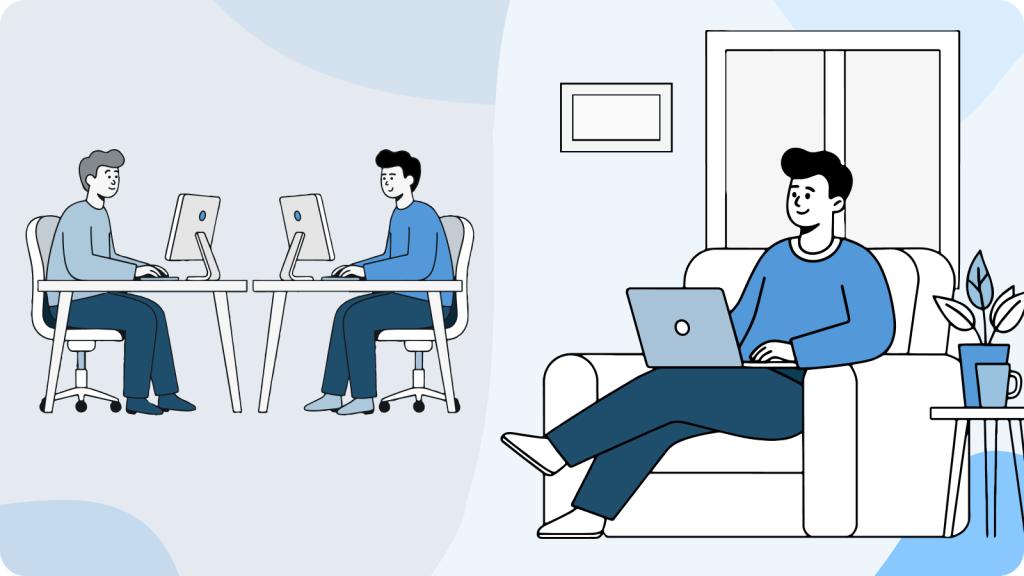
The Internet Crisis: Your Biggest Enemy
Why Connectivity Is More Than Just a Convenience
Internet reliability isn’t a minor inconvenience in Nigeria—it’s a career-threatening crisis. Unlike developed nations where internet is treated as essential infrastructure, Nigeria’s connectivity landscape remains fragmented and unpredictable. For remote workers, this isn’t just frustrating; it’s catastrophic.
The average Nigerian internet user experiences frequent disconnections, slow speeds, and data throttling. According to recent data, Nigeria’s average internet speed hovers around 10-15 Mbps, which is significantly below the global average of 30+ Mbps. When you’re joining video calls, uploading files, or managing real-time tasks, these speeds become a nightmare.
The Multiple Internet Strategy
Successful remote workers in Nigeria have learned to implement what we call “the backup system.” This means maintaining at least two internet sources simultaneously:
- Primary connection: Usually a home broadband service (Spectranet, Smile, or similar)
- Secondary connection: A mobile hotspot from a different provider (MTN, Airtel, or Glo)
- Tertiary option: A portable WiFi device or additional SIM card
This redundancy isn’t paranoia—it’s survival. When your primary connection fails (and it will), you need an immediate backup to maintain your professional reputation. The cost of maintaining multiple connections adds up, but it’s cheaper than losing a client or missing a crucial deadline.
Power Supply: The Hidden Culprit
Internet problems are often compounded by Nigeria’s power crisis. Your internet router needs electricity, your laptop needs charging, and your phone needs power for your hotspot. Load shedding (rolling blackouts) can last 12+ hours in some areas, making it impossible to work regardless of internet availability.
Many remote workers invest in:
- Uninterruptible Power Supply (UPS) systems
- Solar power solutions
- Portable power banks with high capacity
- Generators (though expensive and noisy)
The irony? You’re spending money on infrastructure that should be provided by the government, all while trying to maintain a competitive edge in the global market.
The Isolation Trap: More Than Loneliness
Working Alone in a Crowded Country
Nigeria is a social country. Communities are tight-knit, workplaces are bustling with energy, and collaboration is face-to-face. Remote work strips away this social fabric, leaving many workers feeling disconnected and isolated.
Unlike office environments where you have colleagues to chat with, share lunch breaks, or collaborate spontaneously, remote work in Nigeria creates a peculiar isolation. You’re surrounded by millions of people in a densely populated country, yet you’re working alone in your room or a café.
This isolation manifests in several ways:
Mental health challenges: Depression, anxiety, and burnout become silent companions. Without the structure of an office environment and the social interaction it provides, many remote workers struggle with motivation and mental wellbeing.
Lack of mentorship: Career growth often depends on learning from colleagues and supervisors. In a remote setup, these informal learning opportunities disappear. You’re expected to figure things out independently, which can stunt professional development.
Difficulty building professional networks: Networking in Nigeria happens largely through in-person connections. Remote work limits your ability to build relationships that could lead to better opportunities.
The Café Culture Dilemma
Many Nigerian remote workers work from cafés to combat isolation and access better internet. While this provides social interaction, it creates new problems:
- Noise and distractions: Cafés are loud, making concentration difficult and video calls awkward
- Cost accumulation: Buying coffee or food daily adds up quickly
- Security concerns: Working with sensitive information in public spaces is risky
- Inconsistency: Different cafés have different WiFi quality and environments
Financial Realities: What Nobody Tells You
The Hidden Costs of Remote Work
When you calculate your remote work income, you typically think: “I’m earning in dollars, so I’m winning.” But the financial picture is more complex than currency conversion.
Infrastructure costs:
- Internet subscriptions: ₦5,000–₦15,000/month
- Power backup solutions: ₦50,000–₦500,000+ (one-time or recurring)
- Laptop and equipment: ₦200,000–₦1,000,000+
- Ergonomic setup (desk, chair): ₦100,000–₦300,000+
Operational costs:
- Café expenses: ₦2,000–₦5,000/day
- Coworking spaces: ₦20,000–₦100,000/month
- Phone data for backup: ₦3,000–₦10,000/month
Unexpected costs:
- Equipment repairs and replacements
- Internet service disruptions requiring alternative solutions
- Tax obligations (which many beginners overlook)
| Cost Category | Monthly Range | Annual Cost |
|---|---|---|
| Internet & Power | ₦10,000–₦25,000 | ₦120,000–₦300,000 |
| Café/Coworking | ₦20,000–₦100,000 | ₦240,000–₦1,200,000 |
| Equipment Maintenance | ₦2,000–₦10,000 | ₦24,000–₦120,000 |
| Phone Data Backup | ₦3,000–₦10,000 | ₦36,000–₦120,000 |
| Total | ₦35,000–₦145,000 | ₦420,000–₦1,740,000 |
Tax and Legal Complications
Many remote workers in Nigeria work for foreign companies without understanding their tax obligations. The Nigerian government expects you to pay income tax on earnings, regardless of the source. Yet many beginners operate in a gray area, unaware of potential legal consequences.
Additionally, some employers require you to register as a business or contractor, adding bureaucratic complexity and costs.
Scams and Exploitation: The Predatory Landscape
Why Beginners Are Easy Targets
The remote work boom in Nigeria has attracted not just legitimate opportunities but also scammers and exploitative employers. Beginners, eager to land their first gig, are particularly vulnerable.
Common scams include:
- Fake job offers: Scammers pose as recruiters, asking for upfront fees or personal information
- Payment delays: Employers disappear after work is completed, leaving you unpaid
- Underpayment: Contracts that seem lucrative turn out to pay significantly less than promised
- Identity theft: Unscrupulous employers collect personal data and use it fraudulently
- Pyramid schemes: “Remote work opportunities” that are actually multi-level marketing schemes
Red Flags to Watch
Before accepting any remote position, watch for these warning signs:
- Requests for upfront payment or fees
- Vague job descriptions or unrealistic salary offers
- Pressure to decide quickly without proper vetting
- No verifiable company information or online presence
- Communication only through WhatsApp or personal email
- Requests for sensitive personal information early in the process
- No formal contract or written agreement
The Productivity Paradox: Working More, Achieving Less
The Blurred Lines Between Work and Life
One of remote work’s biggest lies is the promise of better work-life balance. In reality, many Nigerian remote workers experience the opposite: work bleeds into every hour of the day.
Without a physical separation between workspace and living space, the boundaries dissolve. Your bedroom becomes your office. Your dinner table becomes your desk. Your phone becomes your constant work companion. This creates a psychological trap where you’re always “at work,” even when you’re supposed to be resting.
The Overwork Epidemic
Remote workers often work longer hours than their office-based counterparts. Why? Because:
- Visibility anxiety: You feel the need to prove you’re working since no one can see you
- Timezone challenges: If your employer is in a different timezone, you might work odd hours
- Lack of structure: Without office hours, work expands to fill all available time
- Pressure to be always available: Clients and employers expect quick responses at all hours
This leads to burnout, which manifests as:
- Chronic fatigue
- Decreased productivity (ironically)
- Health problems (headaches, back pain, eye strain)
- Relationship strain
- Reduced quality of work
The Productivity Illusion
Many remote workers confuse activity with productivity. You might spend 10 hours “working” but accomplish what could be done in 4 focused hours in an office. The lack of structure, combined with home distractions (family, chores, social media), creates inefficiency masked as hard work.
Social and Family Pressures: The Invisible Burden
The “You’re Always Home” Problem
In Nigerian culture, being home often means being available for family obligations. Relatives might not understand that you’re actually working, not just sitting at home. This creates constant interruptions and pressure to help with household tasks, run errands, or attend family events.
Your mother might ask you to go to the market during work hours. Your siblings might expect you to be available for their needs. Your landlord might question why you’re always home (and potentially raise concerns about your activities). These social dynamics, unique to the Nigerian context, create stress that remote workers in other countries rarely face.
The Credibility Gap
Remote work still carries a stigma in some Nigerian circles. People might question whether your job is “real,” assume you’re not working hard, or suspect you’re involved in something questionable. This social skepticism can be emotionally draining.
Health and Ergonomic Challenges
The Physical Toll
Remote work in Nigeria often means working in suboptimal conditions:
- Poor ergonomics: Most homes aren’t set up with proper desks and chairs, leading to back and neck pain
- Eye strain: Inadequate lighting and long screen time cause vision problems
- Sedentary lifestyle: Without commuting or moving between offices, you move less
- Mental health issues: Isolation and stress contribute to anxiety and depression
- Sleep disruption: Blurred work-life boundaries affect sleep quality
Healthcare Access
Nigeria’s healthcare system is already challenged. Remote workers often lack employer-provided health insurance, leaving them vulnerable to medical expenses they can’t afford.
Practical Strategies to Thrive Despite the Challenges
Build Your Support System
- Join remote work communities: Connect with other remote workers through Facebook groups, LinkedIn, or local meetups
- Find an accountability partner: Someone to check in with regularly
- Maintain family communication: Clearly explain your work schedule and boundaries
- Invest in professional relationships: Regular calls with colleagues, even if not required
Optimize Your Workspace
- Create a dedicated workspace: Even if it’s just a corner of your room, make it distinct from your living space
- Invest in ergonomic basics: A proper chair and desk are non-negotiable
- Improve lighting: Natural light or good LED lighting reduces eye strain
- Minimize distractions: Use noise-canceling headphones, turn off notifications during focus time
Master Your Infrastructure
- Test your backup systems regularly: Don’t wait for a crisis to discover your backup internet doesn’t work
- Maintain your equipment: Regular cleaning and updates prevent unexpected failures
- Keep emergency contacts: Know your internet provider’s support number and have alternative solutions ready
- Document your setup: Keep records of your infrastructure for troubleshooting
Protect Your Mental Health
- Set strict work hours: Define when work starts and ends
- Take regular breaks: Use the Pomodoro technique or similar methods
- Exercise regularly: Combat sedentary lifestyle with daily movement
- Seek professional help: Don’t hesitate to see a therapist if struggling with isolation or anxiety
- Maintain social connections: Schedule regular time with friends and family outside of work
Financial Management
- Track all expenses: Understand the true cost of your remote work setup
- Set aside taxes: Calculate and save your tax obligations monthly
- Create an emergency fund: Remote work income can be unpredictable; save for lean months
- Invest in professional development: Use part of your income to upskill and stay competitive
Navigating the Scam Minefield
How to Vet Opportunities
- Research the company thoroughly: Check their website, social media, and reviews
- Verify contact information: Call the company’s main number to confirm the job posting
- Ask for references: Legitimate employers should provide references from other employees
- Use secure payment methods: Ensure you’re paid through legitimate channels (bank transfer, PayPal, Wise)
- Get everything in writing: Never rely on verbal agreements
Protect Your Personal Information
- Use a separate email for job applications: Reduces spam and phishing attempts
- Be cautious with personal details: Don’t share your full address, phone number, or financial information until you’ve verified the employer
- Check for secure connections: Ensure websites use HTTPS before entering sensitive information
- Report suspicious activity: If something feels off, trust your instincts and report it
The Reality Check: Is Remote Work Right for You?
Remote work in Nigeria isn’t inherently bad—it’s just more complicated than the marketing suggests. Before diving in, ask yourself:
- Can I afford the infrastructure investment?
- Am I disciplined enough to work without external structure?
- Can I handle isolation and create my own social connections?
- Do I have reliable internet options in my area?
- Am I prepared for the financial and legal complexities?
- Can I set and maintain boundaries between work and personal life?
If you answered “yes” to most of these, remote work can be rewarding. If you’re uncertain, consider starting part-time while maintaining other income sources.
Moving Forward: Your Action Plan
Immediate steps (This week):
- Audit your current internet and power setup
- Identify gaps and research solutions
- Connect with other remote workers in your area
Short-term (This month):
- Optimize your workspace ergonomically
- Document your infrastructure and backup systems
- Calculate your true monthly costs
- Consult with a tax professional about your obligations
Long-term (This quarter):
- Build a financial buffer for lean months
- Invest in professional development
- Establish clear work-life boundaries
- Create a support system for mental health
Conclusion: The Unfiltered Truth
Remote work in Nigeria is possible, profitable, and increasingly common. But it’s not the carefree, location-independent dream that social media portrays. It’s a complex juggling act that requires infrastructure investment, mental resilience, financial planning, and constant problem-solving.
The dark side of remote work—unreliable internet, isolation, scams, overwork, and social pressure—is real and deserves acknowledgment. But awareness is the first step toward mitigation. By understanding these challenges, you can prepare for them, protect yourself, and build a sustainable remote work career.
The beginners who thrive aren’t those who ignore these challenges; they’re the ones who face them head-on, build support systems, and adapt continuously. Your remote work journey in Nigeria will be unique, but armed with this knowledge, you’re better equipped to navigate it successfully.
The question isn’t whether remote work is worth it in Nigeria. The question is: are you willing to do the work—both professional and personal—to make it work for you?