
How to Start a Real Estate Company in Nigeria and Succeed
Most people who try to enter Nigerian real estate either quit in three months or spend years spinning their wheels without a single land deal closed. You are about to learn exactly why that happens, and more importantly, how to avoid it entirely.
Introduction
Nigeria’s real estate market is one of the most powerful wealth-building industries on the continent. With a population exceeding 220 million people and a housing deficit of roughly 22 million units, demand for property is not slowing down anytime soon. Lagos alone generates billions of naira in real estate transactions every single year.
Yet for every successful real estate agency you see in Lekki or Abuja, there are dozens of others that never made it past their first year. The difference is rarely talent. It is almost always preparation, strategy, and knowing how the Nigerian property market actually works versus how people assume it works.
This guide exists to close that gap. Whether you are a fresh graduate looking to launch your first business, a salaried professional who wants to transition into entrepreneurship, or someone with a bit of savings and a desire to build something lasting, this is the most complete roadmap you will find for starting a real estate company in Nigeria.
By the time you finish reading, you will understand how to register your business properly, how to find and list properties, how to attract clients without a huge budget, how to get paid, and how to grow from a solo hustle into a legitimate agency that runs without you having to do everything yourself.
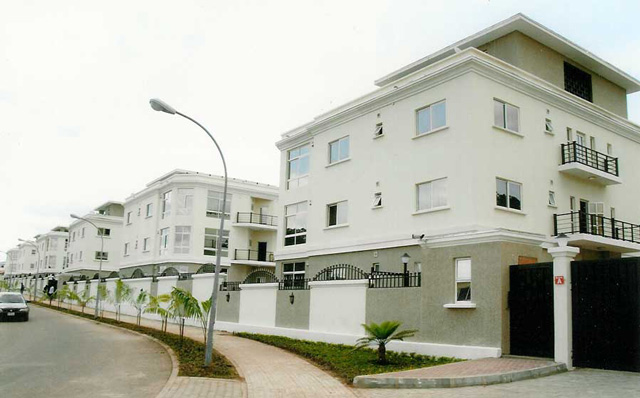
Understanding the Nigerian Real Estate Market First
Before you spend a single naira on business cards or a website, you need to understand the terrain. Starting a real estate company in Nigeria without market knowledge is like driving from Lagos to Abuja without a map or fuel.
The Size of the Opportunity
Nigeria’s real estate sector contributes between 5 and 7 percent of the country’s GDP each year. According to data tracked by the World Bank’s Nigeria economic overview, urbanization in Nigeria is accelerating, with millions of Nigerians moving from rural to urban areas every decade. That migration creates relentless housing demand in cities like Lagos, Abuja, Port Harcourt, Enugu, and Ibadan.
The housing deficit of approximately 22 million units means there is more demand than supply across nearly every price segment. Low-income buyers need affordable housing. The middle class wants decent apartments and duplexes. The wealthy want high-end properties in secure estates. All of these buyers and renters need agents to help them navigate the market.
This is your opportunity.
Key Market Segments to Know
Nigerian real estate breaks down into several segments, and each has its own dynamics:
- Residential property — This includes apartments, duplexes, bungalows, and detached houses. It is the most accessible segment for new agents because almost everyone is either renting, buying, or looking.
- Commercial property — Office spaces, shops, warehouses, and plazas. Commissions here can be significantly higher, but the sales cycle is longer and clients are more demanding.
- Land sales — Buying and selling plots is extremely common in Nigeria, especially in peri-urban areas on the outskirts of fast-growing cities. Many first-time agents make their name in land.
- Short-let apartments — This segment exploded in Lagos and Abuja as Airbnb-style rentals became popular. It is a great niche for a newer agency with a few well-located properties.
- Property management — Managing properties on behalf of landlords, collecting rent, handling maintenance. This creates steady, recurring income that commissions alone cannot provide.
Decide early which segment excites you most and where you have a natural advantage, whether that is location, connections, or prior knowledge.
Step 1: Get Educated About the Business Before Anything Else
You do not need a university degree in estate management to start a real estate company in Nigeria, but you absolutely need foundational knowledge before you take on a client. Ignorance in this industry has a price, and often it is paid by the client, which destroys your reputation before it even forms.
What You Need to Learn
- How property titles work in Nigeria (C of O, Governor’s Consent, Deed of Assignment, Gazette, etc.)
- How to conduct a basic land search at the State Lands Registry
- How agency agreements, tenancy agreements, and sale agreements are structured
- How commissions are calculated and when they are payable
- The difference between distressed property, off-plan property, and fully developed property
- How to do a basic property valuation or when to bring in a licensed valuer
Where to Learn It
- Nigerian Institution of Estate Surveyors and Valuers (NIESV) — They run training programs and are the professional body for the industry.
- Real Estate Developers Association of Nigeria (REDAN) — A valuable network and learning resource.
- YouTube, local real estate podcasts, and mentorship from established agents in your city.
- Consider a short certificate course in real estate practice from any reputable Nigerian polytechnic or private training institution.
The fastest route to real knowledge, however, is working with an established agency for at least six to twelve months before going independent. You will learn more in six months on the ground than in two years of reading about it.
Step 2: Register Your Real Estate Business in Nigeria
Running a real estate company without proper registration is a short-term risk that becomes a long-term liability. Serious clients, especially corporate clients, will ask to see your registration documents before signing anything.
Business Registration with CAC
Your first stop is the Corporate Affairs Commission (CAC). You can register your business as:
- Business Name (sole proprietorship) — Easiest and cheapest to set up. Suitable if you are starting alone with limited capital.
- Limited Liability Company (LLC) — More credibility, especially for corporate or high-value clients. Protects your personal assets from business liabilities.
The CAC now has an online portal where you can complete most of the registration process from your phone or laptop. Business name registration typically costs between N10,000 and N30,000 depending on the name and service channel. Incorporating a limited company costs between N50,000 and N150,000 when you factor in government fees and professional charges.
Professional Accreditation
In Nigeria, estate surveying and valuation is a regulated profession under the Estate Surveyors and Valuers (Registration, Etc.) Act. To hold yourself out as a licensed estate surveyor or valuer, you must be registered with NIESV.
However, real estate agency (brokerage) as a standalone activity does not yet have a single mandatory licensing framework across all Nigerian states, though this is changing. Lagos State, for example, has the Lagos State Real Estate Regulatory Authority (LASRERA), which requires agents operating in Lagos to register and be licensed.
If you are starting in Lagos, register with LASRERA. It costs money and requires documentation, but it is the law, and it gives you credibility that unlicensed competitors cannot claim.
Check your state’s regulations carefully before launching.
Step 3: Write a Simple but Solid Business Plan
Many aspiring real estate entrepreneurs skip this step because they find it intimidating. That is a mistake. Your business plan does not need to be fifty pages long. It needs to answer five core questions clearly:
- What exactly will your agency do? (Sales, rentals, management, short-let, or a combination?)
- Who is your target client? (Young professionals renting in Lagos, landbuyers in Enugu, corporate tenants in Abuja?)
- Where will you get your listings? (Landlords you know, developer partnerships, FSBO properties?)
- How will clients find you? (Social media, referrals, property listing platforms?)
- How much money do you need to start, and when do you expect to break even?
Write the answers out clearly. Then revisit the plan every quarter. A business plan is not a document you write once and frame on a wall. It is a living tool that keeps you accountable.
Realistic Startup Costs for a Nigerian Real Estate Agency
| Item | Estimated Cost |
|---|---|
| CAC Business Registration | N10,000 – N150,000 |
| LASRERA or State License (if applicable) | N50,000 – N200,000 |
| Website and Domain | N50,000 – N150,000 |
| Professional photography equipment or outsourcing | N30,000 – N100,000 |
| Marketing materials (business cards, banners) | N20,000 – N60,000 |
| Office space (shared or virtual) | N30,000 – N150,000/month |
| Social media advertising | N20,000 – N100,000/month |
| Total Estimated Launch Budget | N210,000 – N760,000 |
You can start leaner than this, especially if you work from home initially and invest primarily in online marketing.
Step 4: Build Your Property Portfolio (Without Owning Anything)
This is the part most beginners misunderstand. You do not need to own any property to start a real estate company. Your job is to connect buyers with sellers and tenants with landlords, and earn a commission for making the connection happen.
How to Get Your First Listings
Getting listings, which are properties you have permission to market on behalf of the owner, is the lifeblood of your agency. No listings means no business. Here is how to build your first portfolio:
Start with your personal network. Tell every person you know that you have just started a real estate agency. Ask if they own property they want to sell or rent out, or if they know anyone who does. Most first listings come from warm contacts, not cold outreach.
Approach landlords directly. Visit residential estates, talk to property managers, and introduce yourself. Many landlords are frustrated with how long their properties sit vacant. Offer to market the property at no upfront cost to them, taking only a commission when you close a deal.
Partner with property developers. New developers often need agents to help sell off-plan units or newly completed apartments. A single developer relationship can give you dozens of listings overnight.
Use existing listing platforms to find landlords. Browse sites like PropertyPro, NigeriaPropertyCentre, and Private Property Nigeria. When you see properties listed by the owner directly (not an agent), reach out and offer your services.
List on all the major platforms yourself. Once you have listings, upload them to:
- PropertyPro.ng
- NigeriaPropertyCentre.com
- Jiji.ng
- PrivateProperty.com.ng
These platforms attract thousands of daily visitors and are where many Nigerian property seekers begin their search.
Step 5: Set Up Your Online Presence Professionally
In 2026, a real estate company in Nigeria without a strong digital presence is invisible to a significant portion of its potential client base. The good news is that you do not need a massive budget to look professional online.
Your Website
A clean, mobile-friendly website gives your agency legitimacy and a home base for all your marketing efforts. It should include:
- Your agency name, logo, and contact information
- A brief “About Us” page that tells your story and builds trust
- A listings page where potential clients can browse your properties
- A contact form and WhatsApp button (WhatsApp is the preferred communication channel for most Nigerian clients)
- Testimonials from satisfied clients as you accumulate them
WordPress with a property listing theme is a cost-effective option that many Nigerian agencies use. Alternatively, you can hire a Nigerian web developer on Fiverr or through local Facebook groups for a clean website at a reasonable price.
Social Media Strategy
Instagram and Facebook are your most important platforms for Nigerian real estate. Here is how to use them effectively:
- Instagram — Post high-quality photos and short video tours of every property you list. Use relevant hashtags like #LagosRealEstate, #AbujaProperties, #NigeriaHomes. Post consistently, at least three to four times per week.
- Facebook — Join real estate groups in your target city and post listings there. Also run paid Facebook and Instagram ads targeting renters and buyers in specific locations.
- WhatsApp Status — Update your WhatsApp status daily with property photos, price reductions, and closed deals. Many Nigerian agents close deals purely through WhatsApp Status because clients watch it and reach out directly.
- TikTok and YouTube — Property tours, market education videos, and “what you can rent for N500k in Lagos” type content performs extremely well and builds a following that eventually converts to clients.
Consistency matters more than perfection. Show up every day, share value, and your audience will grow.
Step 6: Master the Art of Closing Real Estate Deals in Nigeria
Getting leads is one skill. Converting them into closed deals is another. Many Nigerian real estate agents are great at generating interest but struggle to guide clients from “interested” to “signed.”
Understanding the Nigerian Client Psychology
Nigerian property buyers and renters have specific concerns that you must be prepared to address:
- Trust issues around fraud — Property fraud is real in Nigeria, and clients know it. Offering to conduct proper documentation verification upfront, and explaining the verification process clearly, puts you ahead of most competitors immediately.
- Price negotiation — Most Nigerian clients expect to negotiate. Know your landlord or seller’s absolute floor price before any showing, so you can negotiate confidently without surprising them.
- Payment terms — Landlords in Lagos often demand one or two years’ rent upfront. This is a barrier for many tenants. If you can work with landlords who accept quarterly payments, you immediately serve a wider market.
- Speed of documentation — Delays in papering a deal often kill it. Be proactive. Have your tenancy or sale agreement template ready before the client even confirms interest.
The Commission Structure
Agency commission in Nigeria is not standardized across the country but follows general conventions:
- Property rentals — Typically 10 percent of one year’s rent, paid by the tenant (agency fee). Some agents charge both the tenant and the landlord separately.
- Property sales — Typically 5 to 10 percent of the sale price, negotiated and agreed before marketing begins.
- Property management — Usually 5 to 10 percent of the annual rent, paid by the landlord as a management fee.
Always document your commission agreement in writing before you invest time marketing a property. Verbal agreements in Nigerian real estate are how agents get burned.
Step 7: Manage Your Finances and Reinvest Strategically
A real estate agency in Nigeria can generate significant income, but the cash flow is irregular. You may go three months with no commission, then close two deals in a week. Managing this reality is the difference between sustainable success and burning out.
Handling Irregular Income
- Open a separate business bank account immediately. Never mix personal and business finances.
- Build an emergency fund equivalent to three to six months of your operating costs before you quit any existing income source.
- Track every income and expense from day one using a simple spreadsheet or an accounting app like Wave (free) or QuickBooks.
How to Accept Payments
For local transactions, standard Nigerian bank transfers are the norm. Ensure you have a business account with a reputable bank (GTBank, Access Bank, First Bank, Zenith Bank, and UBA are all widely trusted).
If you work with diaspora clients buying property in Nigeria from abroad, set up a Wise or Payoneer account to receive international transfers conveniently. Many Nigerians living in the UK, US, or Canada buy investment property back home and need agents they can pay easily and trust.
When to Hire Your First Staff Member
Many solo agents try to do everything themselves for too long. When your lead volume grows to the point where you are missing calls, forgetting follow-ups, or turning down viewings because you are overwhelmed, that is the sign to hire.
Your first hire should be an administrative assistant who can handle scheduling, listing uploads, client follow-up, and document preparation. This frees you to focus on the income-generating activities only you can do, which is building relationships and closing deals.
Step 8: Build a Referral Engine That Generates Leads on Autopilot
The most successful Nigerian real estate agencies do not rely primarily on advertising. They run on referrals. Happy clients become your unpaid marketing team, and in a country where personal recommendations carry enormous weight, this is your most powerful growth tool.
How to Make Referrals Happen Consistently
- Deliver an exceptional experience every time. This sounds obvious, but most agents stop communicating with clients the moment a deal closes. Check in a month later. Ask how they are settling in. They will remember you and tell others.
- Create a formal referral program. Tell your clients explicitly: “If you refer a friend who completes a transaction with us, I will give you a gift card or a cash thank-you of N20,000.” Make it tangible and make it known.
- Partner with complementary professionals. Lawyers who handle property transactions, mortgage brokers, interior designers, and moving companies all serve the same clients you do at different stages. Build mutual referral relationships with them.
- Collect and showcase testimonials. After every successful deal, ask the client for a short written or video testimonial. Post these on Instagram, your website, and your WhatsApp Status. Social proof in Nigerian real estate is worth more than any advertisement.
Step 9: Scale from Solo Agent to Full Agency
Once you have consistent income and a system for generating leads and closing deals, you can begin building a real team. This is when your real estate company in Nigeria transforms from a personal practice into a scalable business.
Bringing On More Agents
Many Nigerian agencies grow by recruiting commission-based agents rather than salaried employees. Under this model:
- New agents join your agency and operate under your brand and license.
- You provide training, listings, marketing support, and infrastructure.
- When they close a deal, the commission is split between you and the agent (commonly 50/50 or 60/40 in favor of the agent).
This model lets you scale without a massive payroll. Your income grows as your team closes more deals, and each agent is motivated because they keep most of what they earn.
Building Standard Operating Procedures
To run an agency that does not depend entirely on you personally, you need documented processes for:
- How new listings are acquired and verified
- How properties are photographed and marketed
- How client inquiries are handled and followed up
- How offers are presented and negotiated
- How agreements are drafted and signed
- How commissions are calculated and disbursed
Write these processes down. Train your team on them. Enforce consistency. This is what separates a business from a job.
Realistic Income Potential for Nigerian Real Estate Agencies
One of the most common questions people ask is how much they can realistically earn. The honest answer is that it varies enormously based on location, market segment, hustle, and skill.
Here is a realistic breakdown based on typical Nigerian market conditions:
| Experience Level | Monthly Income Range | Key Drivers |
|---|---|---|
| Beginner (0-12 months) | N50,000 – N300,000 | 1-3 small rental deals per month |
| Intermediate (1-3 years) | N300,000 – N1,000,000 | Mix of rentals and a land or property sale quarterly |
| Established Agent (3-5 years) | N1,000,000 – N5,000,000 | Multiple deal types, referral network, property management fees |
| Agency Owner (5+ years, team of 5+) | N5,000,000+ | Overrides from agents, management contracts, multiple income streams |
A single sale of a N50 million property at 10 percent commission earns N5 million. One deal. That is the nature of this business: the income ceiling is genuinely very high, but the floor in your early months requires patience and persistence.
Comparing Real Estate Business Models in Nigeria
| Business Model | Income Potential | Time to First Income | Startup Cost | Skill Required | Best For |
|---|---|---|---|---|---|
| Rental Agency | Medium | 1-4 weeks | Low | Beginner-friendly | Anyone starting out |
| Land Sales | High | 2-8 weeks | Low-Medium | Intermediate | Network-driven people |
| Luxury Property Sales | Very High | 1-6 months | Low | Advanced | Patient, well-connected agents |
| Short-Let Management | Medium-High | 2-4 weeks | Medium | Intermediate | Detail-oriented operators |
| Property Management | Steady/Recurring | 1-3 months | Low | Intermediate | Those who want stable income |
| Off-Plan Sales (Developer Partnerships) | High | 1-3 months | Low | Intermediate | Strong marketers |
| Real Estate Consulting | Variable | 1-2 months | Very Low | Advanced | Experienced agents |
No single model is best for everyone. Most successful Nigerian agencies combine two or three of these streams over time.
Risks, Pitfalls, and Scams to Avoid
Starting a real estate company in Nigeria comes with real risks. Ignoring them will cost you money, reputation, or both. Here are the most important ones:
Property Fraud Is a Real Threat
Nigeria has well-documented cases of fraudulent property transactions. Double-selling, fake titles, and omo onile (land grabbers, especially in Lagos) are not myths. Before you list or sell any property:
- Verify the title document at the relevant State Lands Registry.
- Confirm the identity of the seller or landlord.
- Never collect money from a buyer before you are certain the property is legitimate.
- Work with a property lawyer on every high-value transaction.
Commission Disputes
Some landlords and developers will try to close deals behind your back after you introduced a buyer, cutting you out of the commission. Protect yourself by:
- Signing a formal agency/exclusivity agreement before you introduce any buyer or tenant.
- Documenting all introductions with emails or WhatsApp messages (these can serve as evidence).
- Never revealing the owner’s direct contact to a buyer before commission terms are in writing.
Unreliable Clients Who Waste Your Time
You will encounter “time-wasters,” which are people who view multiple properties for months with no genuine intention to commit. Learn to qualify clients early by asking direct questions about their budget, timeline, and financing status. Your time is a non-renewable resource.
The Market Moves in Cycles
Real estate in Nigeria is not immune to economic downturns. When the naira depreciates sharply, dollar-denominated property markets can spike beyond reach for most buyers. When interest rates rise, commercial activity slows. Study the economic context regularly and understand how global financial conditions affect Nigerian real estate so you are never caught off guard.
Licensing Compliance Risks
Operating without proper registration or licensing in states that require it, especially Lagos, exposes you to fines and the loss of your ability to legally operate. Stay current with your documentation and renewals.
Conclusion
Starting a real estate company in Nigeria is genuinely one of the most accessible paths to building substantial wealth in this country. The barriers to entry are lower than most people assume. You do not need millions of naira to start. You do not need a specific university degree. You do not even need to own any property.
What you do need is knowledge, consistency, integrity, and a willingness to put in serious work before serious rewards arrive.
The Nigerian property market rewards those who take the time to understand it, build genuine relationships within it, and serve clients with honesty and professionalism. In a market where fraud and poor service are common, simply being reliable and trustworthy makes you extraordinary.
Start small. Learn constantly. Protect your clients. Build your reputation transaction by transaction. The income potential in this industry is real, the demand is not going anywhere, and the window to establish yourself as a credible agency is wide open right now.
The most important step is the first one. Take it.
Ready to Take Action?
Which part of starting your real estate company in Nigeria feels most daunting right now? Is it the registration process, getting your first listing, or building your client base?
Drop your biggest challenge in the comments below and let us know. We read every response and will create follow-up guides based on exactly what you need most.
And if this guide helped you, share it with someone who is thinking about entering the Nigerian property market. You might just be the reason they finally get started.
This article was produced by a team with expertise in African business development, entrepreneurship strategy, and the Nigerian property market. All regulatory references are accurate as of 2026 and should be verified against the latest guidelines from CAC, LASRERA, and NIESV.