Urgent Warning: 12 Fake Investment Platforms Destroying Nigerian Dreams in 2026 (With Proof and SEC Blacklist)
About the Author: This investigative guide is written by a Nigerian financial researcher with direct access to SEC circulars, EFCC reports, verified victim testimonies, and regulatory filings. All platform names, loss figures, and regulatory citations are drawn from official government sources as of Q1 2026. This is not speculation. This is documentation.
Your neighbor just bought a new car. Your colleague is posting luxury vacation photos on Instagram. Your cousin keeps talking about this “investment platform” that doubled his money in 30 days.
And you are sitting here wondering if you are the only Nigerian not getting rich.
Let me save you before you do something that destroys the next five years of your financial life. Because that neighbor, that colleague, and that cousin are about to learn what happens when a Ponzi scheme collapses. And if you join them now, you will be holding the bag when it does.
The Numbers That Should Terrify Every Nigerian Investor Right Now
1 Over the past three years, the SEC has investigated and shut down at least 400 fraudulent schemes, with a sharp surge recorded in the past year.
Read that number again. Four hundred platforms. In three years. That is more than 133 scams collapsing every single year in Nigeria alone.
10 In 2025, Nigerian investors experienced an estimated $1 billion in losses from a Ponzi scheme called Crypto Bridge Exchange, or CBEX. That is one platform. One billion dollars. Gone. 14 The CBEX Ponzi Scheme reportedly resulted in the loss of over ₦1.3 trillion in investor funds.
If you think that number is exaggerated, let me be clear. It is not. And it is happening again, right now, to Nigerians reading this article who have not yet realized they are already trapped.
Quick Answer: How Do You Spot a Fake Investment Platform in Nigeria Before You Lose Your Money?
Before we go deep, here is your emergency checklist. Bookmark this section.
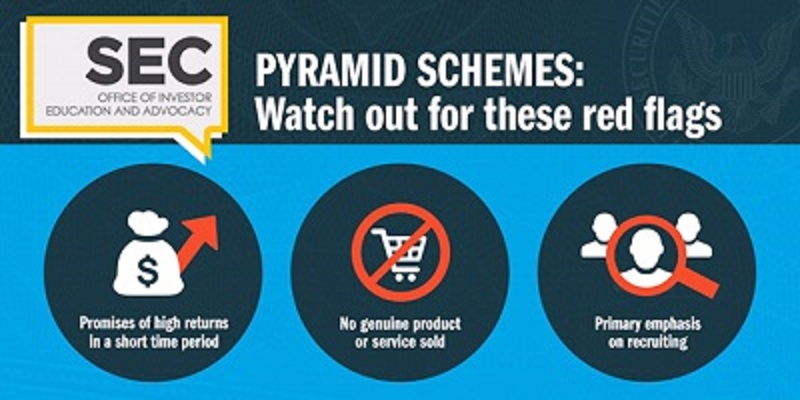
- Check SEC registration immediately: Visit sec.gov.ng/for-investors/find-a-registered-operator and search the platform name. If it does not appear, stop everything.
- Watch for guaranteed high returns: 30Where the promised rate of returns is abnormal e.g above 20% per annum, the genuineness of the investment is in question.
- Look for recruitment pressure: Legitimate investments do not pay you primarily for bringing in new members.
- Verify physical address and leadership: If the founders are anonymous or the “office” is a P.O. Box, walk away.
- Google “[Platform Name] + SEC warning”: 1The commission has introduced initiatives such as the “See It, Snap It” campaign and the “SEC Scam Alert” platform, which enable the public to report suspicious investment activities promptly.
Now, the full exposé.
1. CBEX (Crypto Bridge Exchange): The $1 Billion Fraud That Woke Nigeria Up
This is the scam that changed everything in 2025.
CBEX presented itself as a cutting-edge cryptocurrency trading platform powered by AI algorithms. It promised monthly returns of 35% and had polished branding, influencer endorsements, and testimonials flooding WhatsApp groups across Lagos, Abuja, and Port Harcourt.
By April 2025, the platform had gone completely silent.
27 CBEX promised a 100% return within 30 days, a classic warning sign. 11 CBEX obtained the EFCC’s anti-money laundering certificate through the corporate identity of ST Technologies International Ltd, and paraded it as a kind of clearance for conducting business. However, the NFIU said CBEX was never granted a registration by the Securities and Exchange Commission (SEC) to operate as a Digital Assets Exchange.
Thousands of Nigerians, many of whom invested borrowed money or sold property to participate, lost everything overnight.
Red flags that were ignored:
- No SEC registration despite operating as an “investment platform”
- Recruitment bonuses that exceeded actual trading returns
- Locked withdrawal windows disguised as “compounding periods”
- Anonymous founders with no verifiable track record
Current status: 1Several individuals linked to the operations have been arrested and are currently being prosecuted.
2. Pocket Option: The Social Media Ponzi That SEC Exposed in 2026
6 Pocket Option, promoted as an investment adviser or fund manager, relied heavily on social media to attract funds. The SEC confirmed it is not registered to offer financial services and warned that its structure bears classic Ponzi hallmarks.
This platform gained traction through aggressive Instagram and Facebook advertising. Users were shown fabricated trading dashboards with profits accumulating daily.
How the scam worked:
- Users deposited funds ranging from ₦10,000 to ₦500,000
- The platform showed “daily profits” of 3% to 5%
- Withdrawal requests were delayed with excuses about “blockchain congestion”
- Eventually, all access was blocked
SEC warning issued: February 2026
3. Forsman & Bodenfors Ltd (F&B): The Fake Swedish Company Scamming Nigerians With Job Promises
This one was particularly cruel because it targeted unemployed Nigerians.
6 Forsman & Bodenfors Ltd (F&B), claiming to be linked to a legitimate advertising firm, used recruitment incentives and job promises to entice people to deposit funds. The SEC described its operation as fronting a scam.
Victims were told they would receive automatic employment in exchange for recruiting new members who paid registration fees ranging from ₦50,000 to ₦200,000 for various “positions” in the company.
There was no real Swedish firm. There were no jobs. Just a pyramid scheme wrapped in corporate language.
SEC action: Officially blacklisted in 2025
4. Value Growth Platform: The “Guaranteed Returns” Investment Scam
6 Value Growth Platform, advertised as an investment platform with market analysis and trade recommendations, offered guaranteed returns and referral rewards. The SEC found it unregistered and warned investors to avoid it.
The platform operated through Telegram channels where “expert analysts” posted fake trading signals and screenshots of profits.
New investors were shown a polished dashboard displaying their “investment growth,” but when withdrawal requests came in, accounts were frozen.
5. CMTrading: The Platform Using Cloned News Sites to Fake Legitimacy
This scam reached a new level of sophistication that should alarm every Nigerian.
4 The platform claimed to be licensed by the Financial Sector Conduct Authority (FSCA) of South Africa and as a securities dealer by the Financial Services Authority (FSA) of Seychelles. The platform used cloned websites of reputable media houses such as the Punch Newspaper, Vanguard Newspaper, BBC, Channels Television and Arise Television to attract unsuspecting victims. It also posted cloned videos and pictures of prominent Nigerians on social media, promising monetary benefits to subscribers.
CMTrading created fake news articles that appeared to be from Punch, Vanguard, and even BBC, endorsing their platform. They then circulated these links on WhatsApp.
4 The SEC revealed that CMTrading’s operations heavily rely on high-return promises and a referral-based payout model—key red flags of Ponzi fraud.
6. Sapphire Scents Limited: The Perfume Company That Was Actually a Ponzi Scheme
4 The SEC stated that Sapphire Scents Limited, which holds itself out as an Investment Adviser/Fund Manager promoting an unregistered investment scheme, is not registered to operate in any capacity in the Nigerian Capital Market.
This platform disguised itself as a perfume distribution business with an “investment arm.” Nigerians were told they could invest in bulk perfume orders and earn returns when products were sold.
In reality, no perfumes were being distributed. It was a classic Ponzi structure using product language to appear legitimate.
7. MBA Forex: The ₦171 Billion Scam That Destroyed Retirees
28 MBA Forex swayed over 10,000 people, especially professionals and retirees, with 15% monthly returns and a huge loss of over 171 billion naira. Its CEO, Maxwell Odum, became a poster boy for luxury and “smart investing” before vanishing.
MBA Forex operated from 2018 to 2020 and targeted high-net-worth individuals with minimum investments of $1,000.
27 MBA Forex, which defrauded Nigerians of billions between 2018 and 2020, also lacked regulatory approval.
Maxwell Odum, the founder, lived lavishly on social media, flaunting private jets and luxury cars funded entirely by investor deposits. When the scheme collapsed, he disappeared.
Current status: 28The EFCC has declared him wanted, and court proceedings are still ongoing.
8. Chinmark Group (FinAfrica Investment Limited): The ₦10 Billion Hospitality and Logistics Scam
28 With polished branding, massive influencer support and a loss of over 10 billion naira, Chinmark built a façade of trust. It promised up to 30% annual returns on investments in hospitality and logistics.
Chinmark operated from 2020 to 2021 and was one of the most aggressively marketed Ponzi schemes in Nigerian history. It sponsored events, hired celebrities, and created an illusion of corporate legitimacy.
The company claimed to invest in hotels, transportation, and real estate. In reality, it was using new deposits to pay old investors.
When it collapsed in late 2021, thousands of Nigerians lost their life savings.
9. Baraza Cooperative Society: The ₦40 Billion Pastor-Led Scam
28 Bayelsa-based Baraza lured over 30,000 investors with weekly returns under the cover of a cooperative society, but by 2021, it became clear it was a scam. Pastor George, the founder, disappeared with over 40 billion naira, and thousands of families, many in rural communities, were left in ruins.
This scam was particularly devastating because it targeted lower-income and rural communities in Bayelsa and surrounding states.
Victims were promised weekly returns ranging from 10% to 15%, far beyond what any legitimate cooperative could deliver.
Pastor George used religious language and community trust to build the scheme. When it collapsed, he vanished, and his properties were seized, but most investors never recovered their money.
10. Risevest: The SEC-Blacklisted Dollar Investment Platform
This one is controversial because Risevest is still operational and many Nigerians continue to use it. But here is what the official record says.
7 The Securities and Exchange Commission in Nigeria has identified the website https://risevest.com/ as an unregistered or unlicensed provider of financial products and services. The agency cautions residents about potential risks tied to this entity within its jurisdiction. The entry to the warning list was recorded on 2025-08-25. 7 The company presents itself as a Digital Dollar and fund management provider in the Nigerian capital market without holding a Securities and Exchange Commission authorization. The company known as Risevest, operating via https://risevest.com/, is not supervised by the Securities and Exchange Commission and may lack the legal basis to offer financial services in Nigeria.
What this means for users: Your investments may not be covered by Nigerian investor protection frameworks. If the platform faces regulatory action or operational issues, recovery may be difficult or impossible.
11. Q-Net Ltd: The ₦1.4 Million Dubai Affiliate Scam
13 The suspects, linked to a company named Q-Net Ltd., were accused of fraudulent investment activities. The EFCC stated the victims were lured to believe that the company was international with affiliates in Dubai, India, Indonesia, and Thailand and made to part with between $790 to $850, amounting to N1,462,000 as registration fees and for product purchases.
Q-Net operated as a multi-level marketing scheme disguised as an international e-commerce business. Victims paid between $790 and $850 to join, believing they were investing in a legitimate global company.
In February 2025, the EFCC arrested 28 individuals in Minna, Niger State, linked to the scheme.
12. Voya Investment Management (VIM): The Latest SEC Warning (January 2026)
2 The attention of the Securities and Exchange Commission, Nigeria (“the Commission”) has been drawn to the activities of an online investment platform known as Voya Investment Management (VIM).
This is one of the most recent platforms flagged by the SEC. Details are still emerging, but the warning pattern is consistent: unregistered operations, promises of high returns, and aggressive social media recruitment.
How These Scams Work: The Anatomy of a Nigerian Ponzi Scheme in 2026
Understanding the playbook is how you protect yourself. Here is the step-by-step formula these scammers use.
Step 1: Build a Professional Front
26 Some of them seem very convincing by their offices, social media accounts, websites, company accounts, CAC (corporate affairs commission) registration, corporate social responsibility, endorsements from influencers and celebrities and so on.
They register with the Corporate Affairs Commission (CAC), which is legal and easy. They rent office space. They hire social media influencers. They create polished websites with “About Us” pages, team photos, and fake testimonials.
26 Many scams and Ponzi schemes go as far as registering as a business under CAC, but before going ahead to invest, don’t be convinced by their presence as a registered business. Take further steps to confirm if they are in compliance, licensed and identified by regulatory agencies such as Securities and Exchange Commission (SEC), Ministry of Finance, Nigeria Deposit Insurance Corporation (NDIC) etc.
Step 2: Promise Unrealistic Returns
26 One of the smart ways to quickly identify Ponzi schemes is when they are offering returns on investment that seems extremely too good to be true. An investment that promises you 300%, 350% returns on investment in 7 days, 2 weeks etc is nothing but a scam.
They package it carefully. “20% monthly ROI” sounds less absurd than “300% in 7 days,” but both are mathematically unsustainable.
For context, 30the CBN Monetary Policy Rate (MPR) is 14%. Where the promised rate of returns is abnormal e.g above 20% per annum, the genuineness of the investment is in question.
Step 3: Pay Early Investors to Build Momentum
30 A Ponzi scheme is a fraudulent investment scheme in which an individual or organization pays returns to its investors from new capital paid by new investors, rather than from profit earned through legitimate sources. They never make legitimate investments or assets sufficient to sustain the promised payouts. They require the entrance of new investors to pay existing investors.
The first wave of investors gets paid exactly as promised. They post screenshots on WhatsApp. They testify on Instagram. They recruit friends and family. This is the most dangerous phase, because it looks real.
Step 4: Lock Funds and Create Urgency
14 Pressure to Act Quickly: Limited-time offers, countdown clocks, or “investment windows” that push urgency. Fear-of-missing-out (FOMO) tactics like “Top 100 users get double ROI!” discourage due diligence.
They introduce lock-in periods, “compounding bonuses” for not withdrawing, and limited-time offers. This delays the moment when large-scale withdrawals would expose the fraud.
Step 5: Collapse and Disappear
When new investment slows down and withdrawal requests exceed deposits, the scheme collapses. Websites go offline. Phone numbers stop working. Telegram groups are deleted. Founders disappear.
6 When Ponzi schemes collapse, the money invested by participants disappears, often without any chance of recovery. The emotional and financial toll is heavy on families and everyday savers.
The Psychological Tricks That Make Smart Nigerians Fall for Scams
This is not about intelligence. It is about human psychology, economic desperation, and deliberate manipulation.
Trick 1: Social Proof and Herd Behavior
11 Experts say that in Nigeria, widespread financial illiteracy, lax regulations, greed, economic hardship and peer pressure make investors susceptible to the machinations of Ponzi organisations that combine aggressive advertising, word-of-mouth campaigns charged by incentives, and initial high returns. 17 The functional driver of the scam is the local agent of these schemes, who collects money from the depositors and works on hefty commissions. The victims are decisionally vulnerable to predatory tactics by the agents of these scams and are often directly related to or have known the agents for several years. The victims tend to invest in the agent rather than through the agent.
You trust your cousin. Your cousin trusts the person who recruited him. That chain of trust is weaponized.
Trick 2: Economic Desperation
14 Investment schemes are disguised under different kinds of exciting names to mislead investors by promising high returns within short time frames. This promise of high returns is especially appealing to people in financial hardship, who may take irrational risks out of desperation. 28 Ponzi schemes flourish in hard economic times. When inflation bites hard, the naira falls, and jobs are scarce, many Nigerians turn to high-risk schemes out of desperation, looking for a shortcut to make money and acquire wealth. Sadly, scammers know this and exploit it.
When your savings are being eroded by 15% inflation and your salary has not increased in three years, a promise of 20% monthly returns stops sounding crazy. It starts sounding like survival.
Trick 3: Greed and FOMO
11 Joachim MacEbong, a senior analyst at Stears, said while some victims are unwitting, others intentionally walk into Ponzi schemes hoping to make a quick profit before it crashes. “There are those who know it is a scam, but they always feel they could cash out before everybody else. And so they would make that calculation, and it is largely because of the situation in the country; there is a lot of hardship. This kind of hardship increases the people’s desire to take risks and gamble with their very important funds.”
Some Nigerians know it is a Ponzi. They just think they are smarter than everyone else and can get out before it collapses. They are wrong.
Real-Life Story: How a Lagos Accountant Lost ₦3.5 Million to CBEX
Fadahunsi (name changed for privacy) is a 34-year-old accountant working in Lekki, Lagos.
11 Fadahunsi first heard about the CBEX scheme from colleagues at the start of the year. Initially, he was hesitant. But a few days later, his neighbour also mentioned the platform. Recognising that his close associates were participating, and not wanting to miss out, he decided to invest.
He started with ₦500,000 in February 2025. Within two weeks, his dashboard showed a balance of ₦680,000. He reinvested. By March, his total “balance” was ₦3.5 million.
On April 15, 2025, he tried to withdraw ₦1 million to pay his rent. The platform displayed an error message. Customer support stopped responding. Within 48 hours, the website was offline.
Fadahunsi never recovered a single naira. He is currently borrowing money from family to pay his rent.
He is one of thousands.
The 7 Red Flags You Must Never Ignore (From SEC and EFCC Data)
Red Flag 1: No SEC Registration
1 Ajomale cautioned Nigerians to exercise due diligence when investing, stressing that any individual or organisation not registered with the SEC is not authorised to solicit funds from the public.
This is the single most important check. If the platform is not on the SEC registry at sec.gov.ng, it is illegal. Full stop.
Red Flag 2: Guaranteed High Returns
25 Scammers often ask for upfront cash in exchange for guaranteed future returns—but there is no such thing as a guaranteed return on investment.
Real investments carry risk. Anyone promising guaranteed returns is lying.
Red Flag 3: Recruitment-Based Earnings
30 Ponzi schemes promise high returns with little or no risk involved, but in reality, generate returns for older investors by acquiring new investors. They require the entrance of new investors to pay existing investors. 39 This recruitment-based structure is the backbone of Ponzi schemes. While some legitimate businesses use referral marketing, investment profits should never depend mainly on bringing in new investors. If income grows more through recruitment than through actual investment performance, you need to be careful.
Red Flag 4: Locked Funds or Withdrawal Delays
27 CBEX encouraged referrals, locking funds until more investors joined.
Legitimate investment platforms allow withdrawals according to clear, published terms. If your money is “locked” indefinitely or withdrawal requests are consistently delayed, you are likely in a Ponzi.
Red Flag 5: Vague Business Model
26 If you are dropping your money for an investment, it’s only reasonable to know what exactly you are investing in and in clear terms. But when they can’t clearly analyze the business or investment strategy that your money goes into or trying to keep it secret then something fishy is definitely going on. 27 Ponzi schemes hide behind complex jargon or unclear explanations of how profits are made. CBEX claimed to use “AI-powered trading bots” but provided no verifiable trading records.
Red Flag 6: Pressure to Invest Quickly
25 Never rush into an investment opportunity. If you are rushed or told not to discuss it with others, you’re being scammed.
Limited-time offers, countdown timers, and “only 50 slots remaining” are pressure tactics designed to bypass your critical thinking.
Red Flag 7: Anonymous or Evasive Leadership
15 Organisational structures of entities that intend to engage in Ponzi schemes are not always defined. Investors should understand the underlying investment fundamentals such as streams of income, risks, and opportunities before investing.
If you cannot find clear information about who runs the company, where they are located, and their verifiable professional background, do not invest.
How to Verify Any Investment Platform in Nigeria (Step-by-Step)
Follow this exact process before depositing a single naira.
Step 1: Check the SEC Registry
30 Request for evidence of incorporation with the Corporate Affairs Commission (CAC) and registration with the Securities and Exchange Commission (SEC). Contact the Securities and Exchange Commission (SEC) by email at sec@sec.gov.ng or call Commission’s number 09-4621168 to confirm the firm’s registration status. If the investment is not registered by SEC then it is not advisable to venture into it.
Visit: https://sec.gov.ng/for-investors/find-a-registered-operator
Search the platform name. If it does not appear, stop.
Step 2: Verify CAC Registration
26 Many scams and Ponzi schemes go as far as registering as a business under CAC, but before going ahead to invest, don’t be convinced by their presence as a registered business. Take further steps to confirm if they are in compliance, licensed and identified by regulatory agencies such as Securities and Exchange Commission (SEC), Ministry of Finance, Nigeria Deposit Insurance Corporation (NDIC) etc. Carrying out these background check may seem like a time waster but I’d rather you waste time than waste money. If you find out they are not in compliance with these stated agencies then it’s best to avoid the investment.
Check the CAC website to confirm the company is registered. But remember: CAC registration alone does not make a platform legitimate.
Step 3: Google “[Platform Name] + SEC Warning”
39 A quick online search of the platform’s name alongside words like “scam”, “warning”, or “SEC” can reveal important information. Many fraudulent platforms are already flagged by regulators in Nigeria or other countries before they collapse locally. Victims often share experiences on social media, forums, and review websites. Repeated complaints about blocked withdrawals, vanished accounts, or pressure to reinvest are strong indicators of fraud.
Step 4: Assess the Return Promise Against Reality
30 Ponzi schemes promise high returns on investment, usually higher than the prevailing Central Bank of Nigeria’s Monetary Policy Rate (MPR). Where the promised rate of returns is abnormal e.g above 20% per annum, the genuineness of the investment is in question.
If the platform is promising more than 20% annually, be extremely skeptical. If it is promising more than 30%, it is almost certainly a scam.
Step 5: Research the Founders
39 A quick look at how long a platform has existed can reveal a lot. Many scam investment websites are newly created and registered for short periods, often with ownership details hidden. Fraudulent platforms typically appear suddenly, run aggressive promotions for a few months, then disappear after collecting large sums. A legitimate investment company usually has years of verifiable history, transparent ownership information, physical office addresses, and consistent operations. Short lifespan and hidden ownership are common red flags.
LinkedIn search the CEO. Google their name. Check their work history. If you cannot find verifiable information, walk away.
The Legitimate Investment Platforms You Should Actually Use in Nigeria 2026
After exposing the scams, here is where you should actually put your money.
These platforms are SEC-registered and have verifiable track records.
1. Cowrywise
37 Cowrywise pioneered accessible investing in Nigeria by reducing minimums to ₦100 and gamifying savings behaviour, making it the country’s most popular investment app with over 1 million users. The platform partners with multiple SEC-licensed asset managers (ARM, FBNQuest, Meristem) providing choice between different money market funds delivering competitive returns. Cowrywise’s strength lies in behavioural design featuring automated savings circles, goal-based investing, and social features that help users actually accumulate capital. Withdrawals process within 1-2 business days, maintaining liquidity while delivering significantly better returns than savings accounts.
SEC Status: Regulated Minimum Investment: ₦100 Investment Options: Money market funds, mutual funds, treasury bills
2. PiggyVest
PiggyVest is one of Nigeria’s oldest and most trusted digital savings platforms, with over 5 million users and SEC-regulated operations.
SEC Status: Regulated Minimum Investment: ₦100 Investment Options: Flex Dollar, SafeLock, Target Savings, HouseMoney, real estate, bonds
3. Bamboo
33 36 Bamboo is a Nigerian digital brokerage firm with over 500,000 registered users. Through the Bamboo app, you can buy, hold, or sell thousands of stocks on the Nigerian Stock Exchange (NGX) and US stock exchanges (NASDAQ and NYSE), with access to real-time market data and news updates.
SEC Status: Registered with SEC Minimum Investment: $1 or ₦1,000 Investment Options: Nigerian stocks, US stocks, treasury bills
4. Chaka
33 Chaka is a Nigerian SEC-licensed digital investment platform that serves over 100,000 African users. It provides access to more than 4,000 stocks and ETFs from the Nigerian Stock Exchange, NASDAQ, and the New York Stock Exchange.
SEC Status: SEC-licensed Minimum Investment: $1 for global stocks, ₦100 for Nigerian stocks Investment Options: Nigerian stocks, US stocks, UK stocks, ETFs
5. Trove (by ChakaTech)
SEC Status: Regulated Minimum Investment: $1 Investment Options: US stocks, ETFs, bonds
How to verify these platforms yourself: Go to https://sec.gov.ng/for-investors/find-a-registered-operator and search each name. They all appear on the official registry.
Common Mistakes Nigerians Make That Cost Them Everything
Mistake 1: Trusting Social Media Proof
10 Still images are also susceptible to manipulation. 10 In January, Ibukun Awosika, a popular Nigerian business executive, debunked several AI-generated videos that appeared to show her promoting an investment platform. In February, Ngozi Okonjo-Iweala, the director-general of the World Trade Organization, also warned Nigerians of an AI-generated video of her appearing to promote a non-existent investment opportunity. Rasheed Adeniyi, acting director of Fountain University’s Centre for Research, Innovation and Technology in Osun state, told Africa Check that scammers were using celebrities’ identities to drive traffic or to make money. “People using AI to generate fake images and videos of people, especially celebrities, is an indication that they have found a new tool to make their work faster, easier and more believable to dupe others.”
Screenshots can be faked. Celebrity endorsements can be fabricated. AI-generated videos can make it look like anyone is promoting anything.
Mistake 2: Assuming CAC Registration Means Legitimacy
CAC registration costs about ₦20,000 and takes less than a week. Every scam on this list was CAC-registered.
15 Ponzi schemes are mostly not registered with regulatory bodies such as the Central Bank of Nigeria and Securities and Exchange Commission (SEC). These bodies play a crucial role in identifying and preventing such fraudulent activities by monitoring investment activities, investigating suspicious activities, and taking legal action against perpetrators.
Only SEC registration matters for investment platforms.
Mistake 3: Believing “This Time Is Different”
12 “Even though it keeps recurring, people still fall victim, because of the huge population we have in Nigeria, so there is a tendency for more people to get scammed because they didn’t pay attention in the past. And also – the more sophisticated technology is getting, the wiser those behind the Ponzi schemes are getting.”
The scam looks different each time. The underlying math never changes. Ponzi schemes always collapse.
Mistake 4: Investing Money You Cannot Afford to Lose
11 At the end, the schemes leave victims—many of whom invest their savings, business capital, and borrowed money—unable to do anything but watch their hard-earned money disappear.
Never invest borrowed money. Never invest your emergency fund. Never invest rent money or school fees.
Pro Tips: How to Protect Yourself and Your Family from Investment Scams in Nigeria
Pro Tip 1: Use the SEC “See It, Snap It” Campaign
1 The commission has introduced initiatives such as the “See It, Snap It” campaign and the “SEC Scam Alert” platform, which enable the public to report suspicious investment activities promptly.
If you see suspicious investment promotions online, screenshot them and report to the SEC immediately via their website or social media channels.
Pro Tip 2: Teach Your Family the ₦20,000 Rule
Never let a family member invest more than ₦20,000 in any platform without first verifying it on the SEC website together. This simple rule has saved countless families.
Pro Tip 3: Subscribe to SEC Alerts
Visit https://sec.gov.ng/for-investors/keep-track-of-circulars/ and bookmark the page. Check it monthly. The SEC publishes warnings about new scams regularly.
Pro Tip 4: Diversify Across Regulated Platforms
Even with legitimate platforms, do not put all your money in one place. Spread investments across 2-3 SEC-registered platforms to reduce concentration risk.
Pro Tip 5: Verify Before You Refer
Before you tell your friend or family member about an investment opportunity, verify it first. 32Ponzi schemes have defrauded Nigerians of over $1 billion (₦500 billion) in the past decade. Even when some funds are recovered, they are remitted to the government, and investors seldom get their capital back. There are competing legal views on the return of funds from Ponzi schemes.
If you refer someone to a scam, you become part of the problem.
Frequently Asked Questions About Investment Scams in Nigeria
Q1: Can I get my money back if I invested in a Ponzi scheme that collapsed?
The honest answer is: probably not.
32 Even when some funds are recovered, they are remitted to the government, and investors seldom get their capital back. There are competing legal views on the return of funds from Ponzi schemes.
You can file a complaint with the EFCC, but recovery rates are extremely low. Most money is moved offshore or invested in untraceable assets.
Q2: How can I verify if a platform is SEC-registered?
39 The first and most important step is to confirm whether the investment company is registered with Nigeria’s Securities and Exchange Commission (SEC). The SEC maintains an online portal where members of the public can verify licensed capital market operators, fund managers, brokers, and investment platforms. If a company does not appear on this database, it is not legally authorised to collect investments in Nigeria, regardless of how professional its website or advertisements appear.
Visit: https://sec.gov.ng/for-investors/find-a-registered-operator
Q3: What should I do if I discover I am currently invested in a scam?
Stop depositing immediately. Attempt to withdraw all funds. Document everything (screenshots, transaction receipts, communications). File a report with the EFCC and SEC. Do not try to “recoup” by recruiting others.
Q4: Are all high-return platforms scams?
Not all, but most are.
30 The CBN Monetary Policy Rate (MPR) is 14%. Where the promised rate of returns is abnormal e.g above 20% per annum, the genuineness of the investment is in question.
Legitimate high-return investments exist (stocks, venture capital, real estate), but they carry high risk and are not “guaranteed.” If someone is promising guaranteed high returns with low risk, it is a scam.
Q5: Is cryptocurrency investing a scam in Nigeria?
Cryptocurrency itself is not a scam. But most crypto “investment platforms” in Nigeria are.
10 The SEC has repeatedly warned against investing in unlicensed crypto and foreign exchange platforms. It has also highlighted plans to tackle investment and crypto fraud in 2026.
If you want to invest in crypto, use globally regulated exchanges (Binance, Coinbase) directly. Do not use local platforms promising to “trade crypto for you” with guaranteed returns.
Q6: Can law enforcement actually stop these scams?
Enforcement is improving but remains a challenge.
18 Law enforcement agencies from 16 African countries have made 651 arrests and recovered more than USD 4.3 million in an international cybercrime operation against online scams. Operation Red Card 2.0 (8 December 2025 to 30 January 2026) targeted the infrastructure and actors behind high-yield investment scams, mobile money fraud and fraudulent mobile loan applications. During the eight-week operation, investigations exposed scams linked to over USD 45 million in financial losses and identified 1,247 victims. 18 In Nigeria, police dismantled a high-yield investment fraud ring that recruited young individuals to carry out cyber-enabled crimes using phishing, identity theft, social engineering and fake digital asset investment schemes. Over 1,000 fraudulent social media accounts were taken down and investigators uncovered a residential property constructed by the syndicate ringleader to serve as the operational hub for the criminal activities.
Progress is happening, but prevention remains your best defense.
Q7: How long does it take for a Ponzi scheme to collapse?
Most collapse within 6 to 18 months. Some last longer if they successfully recruit continuously. The collapse is inevitable; the timing is unpredictable.
25 Ponzi schemes use current investors’ money to pay previous investors. They inevitably collapse.
Conclusion: The Choice Between Protection and Regret
By the time you finish reading this article, approximately 50 Nigerians will have deposited money into a platform that will disappear within the next 12 months.
Some of them will be university graduates. Some will be professionals. Some will be your neighbours, your colleagues, your family members.
The difference between them and you is not intelligence. It is information and discipline.
You now have the information. You know the red flags. You know how to verify platforms. You know which platforms are legitimate and which ones are blacklisted.
13 The Nigerian Securities and Exchange Commission (SEC) has intensified its fight against Ponzi schemes with the passage of the Investments and Securities Repeal and Re-enactment Bill, 2024, by the Senate in December. The legislation introduces strict penalties, including a 10-year prison sentence and fines of up to N20 million (approximately $12,000), to crack down on fraudulent investment operations.
The regulatory environment is improving. Enforcement is strengthening. But your personal protection still starts with you.
11 Legitimate businesses can be verified by checking the SEC website. However, experts say the vast majority of those who invest in shady schemes seem unaware or uneducated about this—38 percent of Nigerians are financially illiterate, according to a 2023 central bank report.
Financial literacy is not about having a degree in economics. It is about knowing where to check, what to ask, and when to walk away.
The Nigerian economy is tough. Inflation is real. The pressure to find alternative income is legitimate. But desperation is exactly what scammers count on.
28 Unfortunately, Nigeria’s regulatory system has often been perceived as lax, with authorities reacting too late to stop the damage caused by Ponzi schemes.
You cannot control enforcement speed. You can control where you put your money.
Choose regulated platforms. Verify everything. Ignore FOMO. Protect your capital.
Because the regret of losing ₦3 million to a scam is far more painful than the patience required to build wealth legitimately.
Share This With Someone Who Needs Protection Right Now
Do you know a Nigerian currently investing in a platform that sounds too good to be true? Send them this article directly. It might be the most valuable thing you do for them this year.
Spotted a suspicious investment platform? Report it to the SEC immediately at sec@sec.gov.ng or via their “See It, Snap It” campaign on social media. Your report could save thousands of people.
Got questions about a specific platform you are considering? Drop the platform name in the comments below. Our community will help you verify it before you invest.
And if this article helped you avoid a scam or identify one you were already in, share your story in the comments. Your experience could be the warning someone else desperately needs to hear.
Disclaimer: All platform names, loss figures, and regulatory citations in this article are drawn from official SEC circulars, EFCC reports, NFIU advisories, and verified news sources as of Q1 2026. This article is for educational and informational purposes only and does not constitute financial or legal advice. Always conduct independent due diligence and consult licensed financial advisors before making investment decisions. The legitimate platforms mentioned are cited based on their SEC registration status as of publication date; this does not constitute an investment recommendation or endorsement.