Urgent Warning: If You Earn Less Than ₦150k in Nigeria, Do These 11 Things Before It’s Too Late
Introduction
Your salary entered on the 25th. By the 10th of the following month, it was already gone.
Rent. Transport. Feeding. Airtime. Data. School fees. The occasional medical emergency that nobody budgeted for. And then there’s the exchange rate — the naira that keeps falling while the prices of everything around you keep rising.
If you are earning ₦150,000 or less in Nigeria right now, I need you to understand something critical: you are not failing at life — but the financial system in Nigeria is actively working against you, and without deliberate, urgent action, things will get harder before they get better.
I’m writing this article because I know exactly what it feels like. I know what it means to calculate whether you can afford both transport and lunch. I know the shame of not contributing to a family ogi because your account is in the red. I know the quiet anxiety of watching your bank notification pop up and immediately dreading the number.
But I also know that there is a way through — and I want to show it to you today.
In this article, I’m going to give you 11 urgent, practical, actionable moves that every Nigerian earning below ₦150,000 must make right now. Not someday. Not when the economy gets better. Now. I’ll cover how to stop the bleeding from your finances, how to create new income streams from your phone today, how to protect what little you have from inflation, and how to begin building the kind of financial foundation that will still be standing in 5 years.
This is the most important financial article you will read this year.
Let’s get into it.
Why Is ₦150,000 the Critical Threshold for Financial Survival in Nigeria in 2026?
Before I show you the 11 moves, you need to understand exactly why ₦150,000 has become such a defining financial boundary in Nigeria — and why anyone below it is in a race against time.
What Does ₦150,000 Actually Buy You in Nigeria Today?
Let’s do the math that most people are afraid to do openly.
If you earn ₦150,000 monthly in Lagos (and the picture is similar in Abuja, Port Harcourt, and other major cities), here is a realistic breakdown of your mandatory monthly expenses:
| Expense | Realistic Monthly Cost (Lagos) |
|---|---|
| Rent (prorated monthly, 1-room self-contain, suburbs) | ₦35,000–₦55,000 |
| Food (basic, no luxury) | ₦30,000–₦50,000 |
| Transport (bus/tricycle, no Uber daily) | ₦15,000–₦25,000 |
| Electricity (prepaid + generator fuel) | ₦10,000–₦20,000 |
| Data and airtime | ₦5,000–₦10,000 |
| Personal care (soap, toiletries, etc.) | ₦3,000–₦8,000 |
| Family obligations (parents, siblings) | ₦5,000–₦20,000 |
| Medical/emergency buffer | ₦3,000–₦10,000 |
| TOTAL MINIMUM | ₦106,000–₦198,000 |
You see the problem immediately.
At ₦150,000 gross income, basic survival already threatens to consume or exceed your entire salary — and that’s before you’ve saved a single kobo, invested a single naira, or bought anything that brings joy or growth.
How Inflation Is Silently Destroying Low Incomes in Nigeria
Here is a truth that economists will say in academic language, but I’ll say to you plainly:
Inflation in Nigeria is a tax on poor people.
When the price of a 50kg bag of rice rises from ₦35,000 to ₦75,000 in 24 months, the person earning ₦1 million per month feels it mildly. The person earning ₦100,000 per month feels it existentially.
As of 2026:
- Nigeria’s inflation rate has made everyday goods significantly more expensive than just two years ago
- The naira’s purchasing power has declined dramatically — what ₦100,000 could buy in 2022 now costs roughly ₦200,000–₦250,000 or more
- Housing costs in Lagos, Abuja, and Port Harcourt have increased by 40–80% in the past three years
- School fees at private nursery and primary schools have risen by 50–100%
- Healthcare costs continue to rise while public health infrastructure remains unreliable
If your salary has not increased by at least 30–40% per year over the past two years, you are effectively earning less money than you were before — even if the number on your payslip looks the same.
This is why urgency matters. This is why this article exists.
Move 1: What Is a Zero-Based Budget and How Can It Save a Nigerian on Low Income?
The very first move — before you think about side hustles or investments — is to take complete control of every naira that comes into your hands.
Most Nigerians earning below ₦150,000 don’t have a budget. They have a vague awareness that money is short. That’s not the same thing.
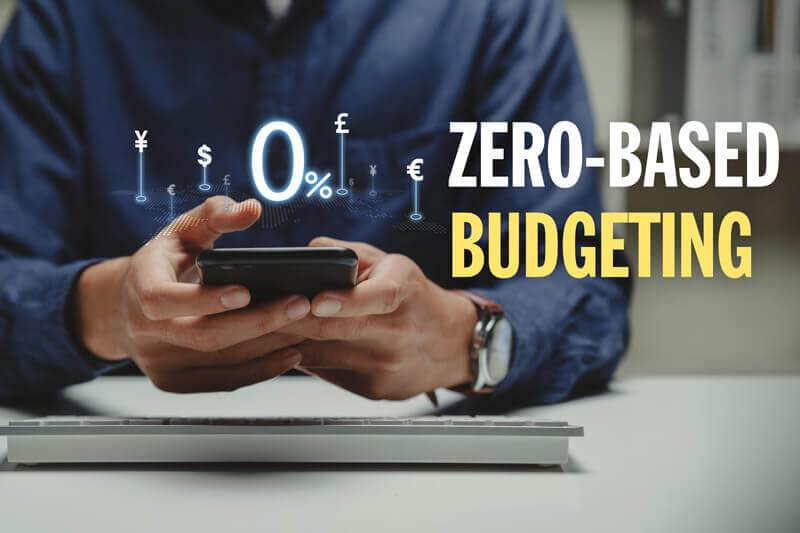
Zero-based budgeting is a system where you assign every single naira of your income a specific job — so that at the end of the month, income minus all assigned allocations equals zero. Not because you’ve spent everything, but because you’ve deliberately decided where every kobo goes, including savings and investments.
How to Create a Zero-Based Budget on ₦120,000 Monthly Income
Here’s a practical example for someone earning ₦120,000/month in Lagos:
Step 1: List your total monthly income
- Salary: ₦120,000
- Total: ₦120,000
Step 2: List and rank your non-negotiable expenses
- Rent (prorated): ₦30,000
- Food: ₦25,000
- Transport: ₦12,000
- Electricity: ₦8,000
- Data/Airtime: ₦4,000
- Subtotal: ₦79,000
Step 3: Allocate savings BEFORE discretionary spending
- Emergency fund (minimum 10%): ₦12,000
- Investment (T-Bills or money market): ₦5,000
- Subtotal: ₦17,000
Step 4: Allocate remaining money
- Remaining after necessities and savings: ₦24,000
- Family obligations: ₦10,000
- Personal care/clothing: ₦5,000
- Entertainment/social: ₦4,000
- Medical buffer: ₦5,000
Total Allocated: ₦120,000. Balance: ₦0.
Every naira has a name. Every kobo has a job. That is financial control.
The “Pay Yourself First” Rule — Why You Must Save Before You Spend
In Nigeria, most people save what’s left after spending. The problem is that nothing is ever left.
The golden rule is: save first, then spend the rest.
The moment your salary arrives:
- Immediately transfer your savings amount to a separate account or savings app
- Transfer your investment amount to your investment platform
- Now live on what remains
This one behavioral shift — saving first — is responsible for more financial turnarounds among Nigerians I’ve spoken to than any other single action.
Move 2: How to Build an Emergency Fund When You’re Already Broke in Nigeria
I know what you’re thinking. “Emergency fund? I don’t have money for Monday, and you’re talking about emergency fund?”
I hear you. But listen carefully.
Not having an emergency fund is itself a financial emergency waiting to happen.
Here’s why: without an emergency buffer, the moment something unexpected happens — a medical bill, a car breakdown, a phone screen crack, a landlord adding charges — you are forced to:
- Borrow from friends and family (damaging relationships)
- Take high-interest quick loans from apps like FairMoney or Branch (creating debt cycles)
- Dip into business capital (stunting growth)
- Miss rent (creating crisis)
Each of these outcomes costs more money than the emergency itself.
How to Build an Emergency Fund on a Tiny Salary
You don’t need to save ₦500,000 before your emergency fund is useful. Start where you are.
The 4-Stage Emergency Fund System for Low-Income Nigerians:
Stage 1 — Starter Fund (₦10,000–₦30,000): This covers most small emergencies — a medical visit, transport when stranded, a replaced phone charger. Target this first.
Stage 2 — Basic Fund (₦50,000–₦100,000): This covers a minor medical emergency, one month’s rent, or a serious phone/appliance repair. Target within 6 months.
Stage 3 — Medium Fund (₦150,000–₦300,000): This covers job loss (1–2 months of expenses), major medical treatment, or a significant business setback. Target within 18 months.
Stage 4 — Full Fund (3–6 months of expenses): The gold standard. Target within 3 years.
Where to keep your emergency fund:
- PiggyVest SafeLock — locks money at higher interest rates with withdrawal flexibility for genuine emergencies
- Cowrywise — money market funds that earn interest while remaining accessible
- A separate bank account you don’t have ATM access to (old school but effective)
- NOT in your regular spending account where it will disappear
Even saving ₦1,000–₦2,000 per week consistently will build ₦52,000–₦104,000 over a year. That’s life-changing money when an emergency hits.
Move 3: What Are the Best Side Hustles for Nigerians Earning Below ₦150k in 2026?
Now we talk about what most people came here for — extra income.
But I want to frame this correctly first. A side hustle on top of financial chaos is just more chaos. That’s why Moves 1 and 2 come first. Your side hustle income needs a disciplined structure to go into, or it will disappear just as mysteriously as your salary does.
With that said, let’s talk about the most realistic, smartphone-accessible side hustles for Nigerians in 2026.
Category 1: Skills-Based Freelancing (Highest Income Potential)
If you have any skill — writing, graphic design, video editing, social media management, translation, data entry, customer service — you can monetize it online. These platforms pay in dollars, which is significant when you’re earning in naira.
Top Freelancing Platforms for Nigerians:
Fiverr:
- What it is: A global freelance marketplace where you offer “gigs” starting from $5
- Best for: Graphic design, writing, video editing, voiceovers, social media management, logo design, translation
- Nigerian compatibility: You can withdraw to your local bank account (dollar conversion) or through Payoneer
- Realistic income: ₦50,000–₦500,000/month depending on skills, reputation, and hours invested
- Signup: Free. Create a profile, list your services, start getting orders
- Reality check: Success on Fiverr takes 1–3 months of building a profile and getting first reviews. Don’t quit after week one.
Upwork:
- What it is: More corporate than Fiverr — clients post jobs, freelancers apply
- Best for: More complex projects — web development, content writing, SEO, virtual assistance, accounting, research
- Nigerian compatibility: Withdraw through Payoneer or direct bank transfer
- Realistic income: ₦100,000–₦1,000,000+/month for established freelancers
- Signup: Free. Getting started is harder than Fiverr (competitive applications), but rates are higher
PeoplePerHour:
- What it is: UK-based freelance platform with strong European client base
- Best for: Writing, design, marketing, virtual assistance
- Nigerian compatibility: Payoneer withdrawal
- Realistic income: ₦40,000–₦300,000/month
Category 2: Content Creation and Monetization
If you can consistently create valuable content, you can earn money from platforms that pay creators.
YouTube:
- Create videos about anything you’re knowledgeable about — cooking Nigerian food, personal finance (like this article), tech reviews, lifestyle, comedy
- Monetize through AdSense once you reach 1,000 subscribers and 4,000 watch hours
- Nigerian YouTubers with 10,000–50,000 subscribers earn ₦50,000–₦500,000/month from ads alone, plus sponsorships
TikTok Creator Fund/Live Gifts:
- TikTok now pays Nigerian creators through its creator programs and live gifting
- Engaging short videos can grow audiences quickly
- Combined with affiliate marketing or product promotions: ₦30,000–₦200,000/month
Blogging with Google AdSense:
- Start a blog on WordPress (using Bluehost or a free platform initially)
- Write consistently about topics you know — finance, lifestyle, relationships, career
- Monetize with Google AdSense once approved
- Nigerian bloggers with 10,000+ monthly visitors earn ₦30,000–₦300,000/month from AdSense alone
Category 3: Trading Skills for Services Locally
Don’t underestimate what you can offer in your immediate community:
- Tutoring: If you have a university degree, you can charge ₦3,000–₦10,000 per hour tutoring secondary school students in WAEC subjects, JAMB preparation, or even primary school subjects
- Event decoration: A growing business in Nigerian communities — basic starter kits cost ₦30,000–₦50,000, and you can charge ₦30,000–₦100,000+ per event
- Fashion design/alterations: If you can sew, there is always a market in any Nigerian neighborhood
- Photography: A decent smartphone can start a photography side business for events, portraits, and content creation
- Cooking/food vending: A jollof rice pot, small chops business, or office lunch delivery can generate ₦20,000–₦80,000 additional monthly income with minimal startup capital
Move 4: How Can a Low-Income Nigerian Start Investing With Less Than ₦10,000?
One of the most dangerous myths in Nigerian financial culture is that investing is for rich people.
It is not. And this myth is keeping millions of hardworking Nigerians perpetually poor.
The truth is: the sooner you start investing, even with tiny amounts, the more powerful your results.
This is because of compound interest — the mathematical phenomenon where your returns earn their own returns, creating exponential growth over time.
The Best Investment Options for Nigerians Earning Below ₦150k
1. Money Market Funds (Starting from ₦1,000)
Money market funds invest in short-term, low-risk instruments like Treasury Bills, commercial papers, and government bonds. They currently offer 13–18% per annum in Nigeria.
- Available on: Cowrywise, PiggyVest, ARM, Stanbic IBTC app
- Minimum: As low as ₦1,000 on some platforms
- Risk: Very low
- Liquidity: High (you can access money quickly)
- Perfect for emergency fund + savings
2. Treasury Bills (Starting from ₦5,000 via apps, ₦50,000 via banks)
Government-backed. Currently yielding 18–22% per annum. Among the safest investments in Nigeria.
- Available on: Cowrywise, your bank’s investment platform, ARM
- Risk: Essentially zero (government-backed)
- Term: 91 days, 182 days, or 364 days
- Perfect for medium-term savings goals
3. Dollar-Denominated Investments (Starting from $10 ≈ ₦15,000)
Protects you from naira devaluation by investing in dollar assets.
- Available on: Risevest, Bamboo
- Returns: 8–15% in USD annually (plus potential exchange rate gains)
- Perfect for long-term wealth building
4. The Nigerian Exchange Group (NGX) Stocks
Buying shares in Nigerian companies that are growing — Dangote Cement, MTN Nigeria, Airtel Africa, Zenith Bank, etc.
- Available on: Chaka, Bamboo (for US stocks), or through licensed stockbrokers
- Risk: Medium (stocks can go up and down)
- Perfect for long-term investors with 3–5+ year horizon
The ₦5,000 Investment Challenge for Low-Income Nigerians
Here’s a practical starting challenge I give to readers:
For the next 6 months:
- Save ₦5,000 every month (about ₦167/day)
- Put it into a money market fund on Cowrywise or PiggyVest
- Don’t touch it
- After 6 months, you’ll have approximately ₦30,000 + interest
That ₦30,000 can then be rolled into a Treasury Bill at 20% per annum — earning you ₦6,000 over the next year without lifting a finger.
That’s how wealth starts. Not with ₦1 million. With ₦5,000 and discipline.
Move 5: How Can Nigerians Use Digital Skills to Earn in Dollars From Home?
In a country where the naira loses value almost daily, earning in dollars is not a luxury — for the ambitious low-income Nigerian, it is a survival strategy.
Even $100 per month (currently approximately ₦150,000–₦160,000 at parallel market rates) would double the income of someone earning ₦100,000 from their day job.
The 5 Most In-Demand Digital Skills for Nigerian Dollar Earners
1. Copywriting and Content Writing
- Nigerian writers who can write in clear, engaging English are in high demand globally
- Clients in the US, UK, Australia, and Canada pay $20–$150 per article
- Average income after 6 months of building: $300–$1,500/month
- Learn for free on: HubSpot Academy, Copyblogger, YouTube
2. Graphic Design
- Canva has made graphic design accessible to everyone. Advanced tools like Adobe Illustrator/Photoshop take more learning but command higher rates.
- Logo design alone on Fiverr can earn $50–$500 per project
- Average income: $200–$2,000/month depending on skill level
- Learn for free on: Canva Design School, YouTube tutorials, Coursera
3. Social Media Management
- Small businesses globally (and in Nigeria) need people to manage their Facebook, Instagram, Twitter/X, and TikTok pages
- Monthly retainers of $100–$500 per client are common
- Manage 3–5 clients = $300–$2,500/month
- Learn for free on: Meta Blueprint (Facebook’s free courses), HubSpot Academy
4. Video Editing
- The explosion of content creation globally means video editors are in extreme demand
- Platforms like YouTube, TikTok, and Instagram all need edited content
- Rates: $15–$100+ per video depending on complexity
- Tools: CapCut (free, works on smartphone), DaVinci Resolve (free desktop version)
- Average income: $200–$1,500/month
5. Virtual Assistance
- Virtual assistants help business owners with email management, scheduling, customer service, data entry, research, and administrative tasks
- No special technical skills required — just organization, communication, and reliability
- Rates: $5–$25 per hour
- Average income working part-time: $200–$800/month
- Find clients on: Upwork, Fiverr, LinkedIn, remote job boards like Remote.co or We Work Remotely
Move 6: What Are the Smartest Ways to Cut Expenses in Nigeria Without Suffering?
Cutting expenses doesn’t mean punishing yourself. It means eliminating waste — money you spend without joy, necessity, or return.
The 5 Biggest Money Leaks for Low-Income Nigerians (and How to Plug Them)
1. Impulse Data Spending
Many Nigerians spend ₦3,000–₦8,000+ monthly on data without tracking what they actually use it for. Much of it goes to:
- Auto-playing videos in WhatsApp groups
- Streaming music without downloading
- Multiple social media apps running in the background
Fix:
- Download content on WiFi (restaurants, offices, malls) to consume offline
- Turn off “auto-download” in WhatsApp settings
- Use MTN, Airtel, or Glo data monitoring to track usage
- Potential monthly saving: ₦2,000–₦5,000
2. Food Waste and Impulse Eating
Buying food from restaurants and food vendors every day is costing you significantly more than cooking. A plate of rice and stew from a buka: ₦800–₦1,500. The same meal cooked at home: ₦200–₦400.
If you eat out twice daily, that’s ₦1,600–₦3,000/day, or ₦48,000–₦90,000/month on food alone.
Fix:
- Meal prep on Sundays for the week
- Cook in bulk and use food flasks
- Buy groceries in bulk from markets (Makola, Mile 12, Garki Market) rather than from supermarkets or convenience stores
- Potential monthly saving: ₦15,000–₦30,000
3. Multiple Streaming Subscriptions
Netflix, Showmax, Prime Video, Apple TV+ — many Nigerians subscribe to multiple services they barely use.
Fix:
- Keep only the one you use most
- Share accounts with trusted family members (where platforms allow it)
- Potential monthly saving: ₦3,000–₦8,000
4. “Convenience Tax” — Using Expensive Options Because They’re Easy
- Using Uber/Bolt daily instead of public transport where safe and practical
- Buying from expensive supermarkets instead of local markets
- Using ATMs of other banks (₦100 per transaction adds up fast)
Fix:
- Plan trips to reduce transport costs
- Use your own bank’s ATM (or mobile banking)
- Shop at markets for staples, supermarkets only for non-negotiables
- Potential monthly saving: ₦5,000–₦20,000
5. Social Pressure Spending
This is Nigeria’s most expensive and least discussed money problem. The pressure to:
- Contribute to every colleague’s birthday/wedding/naming ceremony
- “Show up” financially at family events
- Buy new outfits for every social occasion
- Keep up appearances with peers who earn more than you
Fix:
- Be honest with yourself and trusted friends about your financial reality
- Set a strict monthly “social spending” limit and stick to it
- It is not poverty to have boundaries. It is wisdom.
- Potential monthly saving: ₦5,000–₦25,000
Total potential monthly savings from these 5 fixes: ₦30,000–₦88,000.
That’s potentially an extra ₦360,000–₦1,056,000 per year — found not from earning more, but from stopping the leaks.
Move 7: How Can Low-Income Nigerians Protect Their Money From Naira Devaluation?
The naira losing value is not just an economic problem — for someone earning in naira and spending in naira, it means your money is silently losing purchasing power every single day.
Here’s how to fight back:
Strategy 1: Convert a Percentage of Your Savings to Dollars
Even converting ₦10,000–₦20,000 per month to USD on a legal platform creates a dollar savings account that:
- Grows in dollar terms (maintaining purchasing power)
- Benefits from exchange rate movements when you convert back
- Provides psychological safety and optionality
How to do this:
- Use Risevest to invest in dollar-denominated assets directly from your naira
- Use Grey or Chipper Cash to hold dollar balances
Strategy 2: Invest in Real, Tangible Assets
- Government bonds: Fixed returns in naira, but better than cash
- Nigerian stocks in export-earning companies: Companies like Airtel Africa, Seplat, and Dangote Cement have earnings tied partly to dollar revenues
- Treasury Bills: Beat inflation partially with 18–22% returns
Strategy 3: Invest in Skills That Price in Dollars
This is the most powerful long-term hedge. A freelancer earning $500/month earns approximately ₦750,000–₦800,000 at current rates. No naira devaluation can touch that income — because as the naira falls, their naira equivalent earnings increase automatically.
Learning dollar-earning skills is the most powerful inflation hedge available to an ordinary Nigerian.
Move 8: What Is the Best Way for a Nigerian to Start a Small Business With ₦50,000 or Less?
You don’t need millions to start a business in Nigeria. What you need is:
- A real problem people around you have
- A viable solution you can provide
- Capital to get started (often much less than you think)
- Discipline to reinvest profit before spending it
5 Small Businesses Nigerians Can Start With ₦50,000 or Less
1. WhatsApp-Based Reselling Business (₦5,000–₦20,000 startup)
- Source products from Aliexpress, Jumia sellers (at wholesale), or local markets
- Sell through WhatsApp Status and groups at a markup
- Many Nigerians are making ₦30,000–₦150,000/month doing this
- No shop needed. No rent. Just your phone and a willing market
2. Mobile Phone Accessories Retail (₦20,000–₦40,000 startup)
- Source phone cases, screen protectors, chargers, earphones from Computer Village (Lagos), Wuse Market (Abuja), or Onitsha
- Sell on your street, in your office, or through WhatsApp/Instagram
- Margins of 50–100% are common on accessories
- Realistic monthly profit: ₦20,000–₦60,000
3. Snacks and Small Chops Production (₦15,000–₦40,000 startup)
- Puff puff, chin chin, spring rolls, meat pies — always in demand at offices, events, and schools
- Startup cost: basic ingredients and packaging
- Sell to colleagues, neighbors, and events
- Realistic monthly profit: ₦20,000–₦80,000
4. Digital Services Agency (₦0–₦20,000 startup)
- Offer social media management, content creation, or basic graphic design to local businesses
- Start with one client. Do excellent work. Get referrals.
- Charge ₦15,000–₦50,000 per client per month
- With 3 clients: ₦45,000–₦150,000 additional monthly income
5. POS Business (₦30,000–₦50,000 startup)
- Partner with a bank or fintech company (OPay, Moniepoint, PalmPay) to operate a POS terminal
- Earn commissions on every transaction processed
- In a busy location: ₦20,000–₦80,000/month in commissions
- Startup cost: POS terminal fee + initial float
Move 9: How Can Nigerians Use Mobile Apps to Save and Invest More Effectively?
Your smartphone is the most powerful financial tool you own. Here’s how to weaponize it.
Best Savings and Investment Apps for Low-Income Nigerians
PiggyVest
- What it does: Helps you save automatically with locked savings (SafeLock), target savings (Targets), and invest in vetted opportunities (Investify)
- Minimum: ₦100
- Returns: 10–16% on savings products
- Fees: None for basic savings; small percentage on Investify products
- Payout: Direct to Nigerian bank account
- Verdict: The gold standard for Nigerian savings discipline. Use it.
Cowrywise
- What it does: SEC-registered platform for mutual fund investments and automated savings plans
- Minimum: ₦100
- Returns: 12–22% depending on fund type
- Fees: Small management fee built into fund returns
- Payout: Direct to Nigerian bank account
- Verdict: Best for actual investing (not just saving). Highly regulated and transparent.
Kuda Bank
- What it does: A digital bank with zero card maintenance fees, free transfers (limited monthly), automatic savings features, and budgeting tools
- Minimum: Nothing
- Fees: Zero for basic banking
- Verdict: Switch your salary account here immediately. The zero-fee structure alone saves thousands per year that traditional banks silently deduct.
Carbon (formerly Paylater)
- What it does: Digital bank offering savings, investments, loans, and bill payments
- Note: Be careful with their loan feature — only use in genuine emergencies, not for consumption
- Investment returns: Competitive money market rates
- Verdict: Good secondary financial management tool
Risevest
- What it does: Allows you to invest in dollar-denominated assets — US stocks, US real estate, and US fixed income — directly from Nigeria
- Minimum: $10 (≈ ₦15,000)
- Returns: 8–15% in USD annually (not guaranteed — market-dependent)
- Fees: Small management fee
- Payout: Naira to Nigerian bank or dollar account
- Verdict: Essential for anyone serious about protecting wealth from naira devaluation
Move 10: How to Build Multiple Income Streams as a Nigerian With a Full-Time Job
One income stream is not enough in Nigeria. It was never enough. It is even less enough now.
The concept of multiple income streams sounds overwhelming when you’re already working 8–10 hours a day at your primary job. But it doesn’t have to mean working 20-hour days.
The Income Stream Pyramid for Busy Nigerian Employees
Level 1 (Zero time required — passive): Investment income
- Treasury Bills, money market funds, savings interest
- Set up once, earn while you sleep
- Start immediately with ₦5,000–₦10,000
Level 2 (Minimal time — semi-passive): Online content
- A blog, YouTube channel, or Podcast you update 2–3 times per week
- Takes time to build (6–18 months) but then earns passively through ads, affiliates
- Weekend/evening work only
Level 3 (Active but flexible): Freelancing
- 5–15 hours per week on Fiverr, Upwork, or direct clients
- Work on evenings and weekends
- Realistic to earn ₦30,000–₦200,000 extra monthly within 3–6 months
Level 4 (Active time commitment): Small business
- WhatsApp reselling, food vending, POS operation, service business
- Requires more active time but builds equity and can be systematized
The Rule of Three: I advise every Nigerian to aim to have at least 3 income streams within 2 years:
- Your primary job or business (active)
- A freelance/service income stream (active but growing)
- An investment/passive income stream (passive but compounding)
Move 11: How to Plan for Financial Freedom When You’re Earning Below ₦150k in Nigeria
Financial freedom does not mean being a millionaire overnight. For a Nigerian earning below ₦150,000, financial freedom means:
- Having 3–6 months of expenses saved as a buffer
- Having at least one income stream outside your primary job
- Having investments that grow while you work
- Having no high-interest consumer debt
- Having a clear financial plan written down and reviewed monthly
The 24-Month Financial Transformation Plan for Low-Income Nigerians
Months 1–3: Foundation
- Implement zero-based budgeting
- Open Cowrywise/PiggyVest accounts
- Start saving ₦5,000–₦10,000 monthly
- Identify one skill to develop for side income
- Cut at least ₦10,000 in monthly unnecessary expenses
Months 4–6: Growth
- Complete your starter emergency fund (₦30,000+)
- Make your first investment (Treasury Bill or money market fund)
- Launch your side hustle (Fiverr gig, local small business, freelance service)
- First goal: earn even ₦5,000 extra from outside your salary
Months 7–12: Expansion
- Side hustle should be generating ₦20,000–₦50,000/month
- Increase investment contributions as income rises
- Open Risevest account and start dollar investments
- Total savings goal: ₦100,000+
Months 13–18: Consolidation
- Side hustle income approaching or exceeding ₦50,000–₦100,000/month
- Consider registering your business with CAC
- Start a third income stream (content, passive investment)
- Emergency fund: ₦150,000+
Months 19–24: Elevation
- Multiple income streams totaling ₦200,000–₦400,000/month (salary + side hustles + investments)
- Making monthly dollar investments
- Building toward being independent from single employer income
- Financial freedom: in sight, not just a dream
Best Platforms Section: Where Low-Income Nigerians Should Actually Put Their Money and Time
For Savings and Investment:
| Platform | Type | Min. Amount | Returns | Nigerian Withdrawal |
|---|---|---|---|---|
| PiggyVest | Savings + Investment | ₦100 | 10–16% p.a. | Direct bank transfer |
| Cowrywise | Mutual Funds + Savings | ₦100 | 12–22% p.a. | Direct bank transfer |
| Kuda | Digital Banking | ₦0 | Competitive savings rate | Direct bank transfer |
| Risevest | Dollar Investments | $10 | 8–15% USD p.a. | Naira bank transfer |
| Treasury Bills via Banks | Government Securities | ₦50,000 | 18–22% p.a. | Direct bank transfer |
For Earning Extra Income:
| Platform | Type | Time to First Income | Realistic Monthly Earning |
|---|---|---|---|
| Fiverr | Freelancing | 2–8 weeks | ₦30,000–₦500,000 |
| Upwork | Freelancing | 4–12 weeks | ₦50,000–₦1,000,000+ |
| YouTube | Content Creation | 6–18 months | ₦30,000–₦500,000+ |
| Jumia Affiliate Program | Affiliate Marketing | 2–4 weeks | ₦10,000–₦80,000 |
| Konga Affiliate Program | Affiliate Marketing | 2–4 weeks | ₦10,000–₦60,000 |
| PiggyVest Referrals | Referral Income | Immediate | ₦500–₦1,000 per referral |
Top Tools Section: Apps That Give Low-Income Nigerians a Financial Edge
1. Google Workspace (Free Basic Version)
- What it does: Google Sheets for budgeting, Google Docs for business planning, Google Drive for document storage
- Cost: Free
- Why it matters: Build your zero-based budget on Google Sheets. Access it anywhere. Track your finances professionally.
2. Canva (Free + Paid Pro)
- What it does: Design tool for creating professional graphics, social media posts, business flyers, logos
- Cost: Free basic version is powerful; Pro is ₦5,000–₦7,000/month
- Why it matters: Start a graphic design side hustle or create professional marketing materials for your small business
3. CapCut (Free)
- What it does: Mobile video editing app — trim, add text, music, effects, transitions
- Cost: Free
- Why it matters: Edit videos for social media, YouTube, or client projects without a computer
4. Notion (Free)
- What it does: All-in-one note-taking, project management, and planning tool
- Cost: Free personal plan
- Why it matters: Plan your business, track your goals, organize your freelance projects, create a financial dashboard
5. Truecaller (Free)
- What it does: Caller ID and spam detection — identifies unknown callers, blocks scam numbers
- Cost: Free
- Why it matters: Protect yourself from financial scammers who increasingly target people seeking investment opportunities
6. Google’s Primer App (Free)
- What it does: Short 5-minute lessons on business, marketing, finance, and digital skills
- Cost: Free
- Why it matters: Learn marketable skills during your commute or lunch break
7. Grammarly (Free + Paid)
- What it does: AI-powered grammar and writing checker
- Cost: Free basic version covers most needs
- Why it matters: If you’re freelancing as a writer or communicating with international clients, proper English is critical. Grammarly catches errors that cost you contracts.
How to Get Started: A Step-by-Step Plan for Someone With Just a Smartphone
Assume you have: one smartphone, a bank account, internet data, and ₦5,000 you can set aside without pain. Here’s your exact starting sequence:
Day 1:
- Download Kuda Bank app. Open an account. This is where your financial discipline starts — zero fees means every kobo is protected.
- Download PiggyVest or Cowrywise. Create an account. Fund it with even ₦1,000.
Day 2–3:
- Write your zero-based budget in Google Sheets (free template: search “zero based budget template Google Sheets”)
- Identify the 3 biggest money leaks in your current spending
- Calculate: if you plugged those leaks, how much could you save monthly?
Day 4–7:
- Research 3 skills you already have that you could offer as services
- Create a Fiverr account (free). Browse what others in your skill category are offering and at what prices.
- Start drafting your first Fiverr gig description
Week 2:
- Launch your Fiverr gig
- Set up automatic savings on PiggyVest (even ₦200/day)
- Start one free online course related to your chosen freelance skill (Google Digital Garage, HubSpot Academy, or Coursera free courses)
Week 3–4:
- If Fiverr hasn’t gotten orders yet, create an Upwork profile as well
- Reach out to 3 local businesses (in person or on Instagram) offering social media management or graphic design services
- Start tracking your budget weekly — not monthly. Weekly tracking catches problems before they become disasters.
Month 2 onward:
- Reinvest every naira of extra income: 50% to savings/investments, 50% back to growing your side income
- Set a specific income target for month 3, 6, and 12
- Review and adjust every 30 days
Monetization Tips: Specific Ways to Earn Extra Money in Nigeria in 2026
1. Jumia and Konga Affiliate Marketing (₦10,000–₦80,000/month)
- Sign up for the Jumia Affiliate Program (affiliate.jumia.com.ng) or Konga Affiliate Program for free
- Get special links for products
- Share these links in WhatsApp groups, Facebook, Instagram, blog, or YouTube
- Earn a commission (2–12%) on every purchase made through your link
- No inventory. No shipping. Just links and a following.
2. PiggyVest and Cowrywise Referral Programs (₦500–₦1,000 per referral)
- Both platforms pay you when someone signs up and saves using your referral link
- Share genuinely (don’t spam) on social media or with friends and family
- 20 referrals per month = ₦10,000–₦20,000 extra income
3. Google AdSense Blogging (₦20,000–₦200,000+/month)
- Start a blog on WordPress.com (free) or invest ₦30,000–₦50,000 in hosting + domain for a self-hosted blog
- Write consistently (2–3 articles per week) on topics with high search volume — personal finance, health, relationships, technology
- Apply for Google AdSense once you have 20+ quality articles and consistent traffic
- AdSense pays per click on ads displayed on your blog
- Nigerian blogs in finance and lifestyle niches earn $2–$8 per 1,000 page views on average
4. Sell Digital Products (₦0 startup cost)
- Create an ebook, template, or mini-course on something you know well
- Sell through Selar (Nigeria’s leading digital products platform) or Gumroad
- Price: ₦1,000–₦10,000 per download
- One digital product, sold 20 times per month = ₦20,000–₦200,000 (no additional work after creation)
5. Teach What You Know on Online Platforms
- Udemy: Create a video course and sell it globally. Once created, it sells passively.
- Teachable: More control over pricing and audience
- WhatsApp/Telegram paid groups: Charge ₦2,000–₦10,000/month for access to your expertise in a community
- Many Nigerian experts in health, finance, relationships, and career earn ₦50,000–₦500,000/month through paid community groups
Frequently Asked Questions (FAQ)
1. Can I really save money in Nigeria when my salary is already not enough?
Yes — but it requires a different approach than most people take. The key insight is that budgeting before you spend (not after) is what makes saving possible on a low income. When you implement zero-based budgeting and plug even three major money leaks (food spending, data, impulse purchases), most Nigerians find they can save ₦10,000–₦30,000 per month that was previously disappearing invisibly. Start with a non-negotiable minimum: even ₦1,000–₦2,000 per week saved consistently will build ₦52,000–₦104,000 in a year. The amount matters less than the habit. On platforms like PiggyVest and Cowrywise, you can start with as little as ₦100 and earn 10–16% annually on your savings.
2. What is the best side hustle for a Nigerian who works a full-time job?
The best side hustle depends on your existing skills, available time, and income goals. However, for most Nigerians working full-time, freelancing on Fiverr or Upwork is the most flexible and highest-income-potential option — because you can work in the evenings and weekends, set your own schedule, and earn in dollars. If you have no digital skills yet, affiliate marketing (promoting Jumia, Konga, or other products for commissions) requires zero capital and can be done entirely on your phone. For those willing to learn a skill in 1–3 months, graphic design, copywriting, social media management, and video editing consistently generate ₦50,000–₦300,000 per month for part-time Nigerian freelancers.
3. How can I start investing in Nigeria with less than ₦10,000?
The easiest entry points for investing below ₦10,000 in Nigeria are:
- Cowrywise Money Market Fund: Start from ₦100. Currently yielding 14–18% per annum.
- PiggyVest Investify: Start from as low as ₦1,000 for some investment products.
- Treasury Bills via Cowrywise: Some platforms now allow T-Bill investments starting from ₦5,000.
All of these are regulated, legitimate, and significantly better than leaving money in a regular savings account. Even ₦5,000 invested at 16% annually grows to ₦5,800 after one year — and ₦12,166 after 10 years without adding another kobo (due to compound interest). The key is to start, no matter how small.
4. Is it too late to learn digital skills and earn money online in Nigeria in 2026?
Absolutely not. In fact, 2026 may be one of the best times in history for Nigerians to enter the global digital economy. The demand for remote workers and freelancers globally continues to grow. African workers — particularly Nigerians — are increasingly trusted by international clients for their English proficiency, work ethic, and creativity. With free learning platforms like Google Digital Garage, HubSpot Academy, Coursera (free courses), and YouTube, a dedicated Nigerian can learn marketable digital skills in 1–3 months and start earning within 3–6 months. The only barrier is starting. The most important step is choosing one skill, learning it deeply, and executing consistently.
5. How do I avoid investment scams while trying to grow my money in Nigeria?
This is critical, especially for low-income earners who cannot afford to lose what little they have. The rules are simple but must be non-negotiable:
- Verify SEC registration at sec.gov.ng before investing anywhere
- Never invest in platforms promising more than 5% monthly returns (legitimate platforms offer 10–22% annually, not monthly)
- Never borrow money to invest in any platform you haven’t thoroughly verified
- Never invest in platforms that require you to recruit others to earn or withdraw
- Never send money to individual personal bank accounts for investment purposes
- Always start with the smallest possible test amount and successfully withdraw before investing more
- If in doubt, stick to verified platforms: PiggyVest, Cowrywise, Risevest, Bamboo, Treasury Bills, and SEC-licensed mutual funds.
6. How can I manage family financial pressure in Nigeria while trying to save money?
This is one of the most real and painful financial challenges Nigerians face. Extended family expectations — contributions to ceremonies, support for siblings, parents’ upkeep — can consume 20–40% of a low-income earner’s salary.
The answer is not to abandon your family. It is to be financially strong enough to eventually help more. Start by:
- Having an honest conversation with immediate family about your financial constraints (you may be surprised by the understanding you receive)
- Setting a fixed monthly “family obligation” amount in your budget and communicating that clearly
- Building your income first — when you earn more, you can give more without compromising your financial security
- Recognizing that your own financial stability is the most important thing you can offer your family long-term — a financially broken family member cannot support anyone consistently
Final Words: The Window Is Open — But It Won’t Stay Open Forever
Let me be direct with you one final time.
Nigeria’s economy is not going to fix itself quickly. The naira is not going to suddenly strengthen and make your ₦100,000 feel like ₦500,000. Inflation is not going to reverse overnight. Employment is not going to open up miraculously.
But here’s what can change: you.
The people in Nigeria who are building real wealth in this environment are not people who were born into it. Many of them were where you are right now — earning below ₦150,000, stretched thin, wondering if there was a way through.
The difference is that they took action.
They built the budget. They found the extra ₦5,000 to invest. They learned the skill on YouTube at 11pm after the kids were asleep. They launched the Fiverr gig even though they weren’t sure anyone would buy. They stayed consistent through the first month when nothing happened, and the second month, and the third.
And then things started to shift.
You have everything you need to start right now. A smartphone. An internet connection. This article.
The 11 moves I’ve given you are not theory. They are the exact framework that has changed financial lives across Nigeria. But they only work if you use them.
Start with Move 1. Open the Google Sheet. Write the budget.
Everything else follows from there.
Nigeria is hard. You are harder.
Now go build something.
Found this article valuable? Share it with every Nigerian in your WhatsApp groups who needs to read this — especially those earning below ₦150,000. Your share might change someone’s life.
Have questions or want to share your financial journey? Leave a comment below. I respond to every single one.
Disclaimer: This article is for educational and informational purposes only and does not constitute personalized financial advice. Investment returns mentioned are indicative and not guaranteed. Always verify platforms with the Securities and Exchange Commission (SEC) Nigeria before investing. The author is not affiliated with any platforms mentioned in this





Great blog! Do you have any tips for aspiring writers? I’m planning to start my own blog soon but I’m a little lost on everything. Would you advise starting with a free platform like Wordpress or go for a paid option? There are so many options out there that I’m completely overwhelmed .. Any tips? Kudos!