What to Do When You Have Zero Naira Left: 6 Rapid Survival Cash Strategies for Broke Nigerians in 2026
Written by Tobi Adeyemi, a Lagos-based financial resilience writer with over eight years of experience covering personal finance, digital earning, and career survival strategies across West Africa. Tobi has contributed to several African fintech publications and has personally tested dozens of income strategies during Nigeria’s toughest economic seasons.
You’re not lazy. You’re not cursed. You’re just broke right now.
And if you’ve ever opened your bank app only to see a balance that made your chest tight, this article was written with your exact situation in mind.
Introduction: The Zero-Naira Moment Is More Common Than You Think
Let’s be honest. In 2026, being broke in Nigeria is not a character flaw. It’s practically a national experience.
Between the ongoing naira depreciation, fuel subsidy aftershocks, and food inflation that has pushed the average cost of a basic meal past what many Nigerians earn in an hour, millions of hardworking people find themselves hitting zero at some point every single month. According to the National Bureau of Statistics (NBS), Nigeria’s unemployment and underemployment rate among youth aged 15 to 34 has remained stubbornly above 40% since 2023. That’s not a statistic. That’s your cousin. Your neighbor. Maybe you.
But here’s what nobody tells you when you’re staring at a zero balance: the distance between “completely broke” and “first 10,000 naira” is shorter than you think. It doesn’t require startup capital. It doesn’t require a degree from a fancy university. It doesn’t even require a laptop in some cases.
What it requires is knowing exactly which levers to pull, and pulling them fast.
This article lays out six rapid survival cash strategies, each one a legitimate online side hustle (and a few offline-online hybrids), that broke Nigerians are using right now in 2026 to put money back in their pockets. Not next month. Not “when the economy improves.” Now.
We’re not going to insult your intelligence with vague advice like “start a business” or “invest in yourself.” You need naira. You need it fast. And you need a plan that works even if your starting capital is literally zero.
Here’s what you’ll walk away with:
- Six specific, actionable strategies you can begin today
- Realistic income ranges (no “make 1 million in 30 days” nonsense)
- Skill levels required, time commitments, and honest barriers to entry
- A comparison table so you can pick the strategy that fits your life
- Scam warnings, because broke people are the number one target for fraudsters
Let’s get into it.
Strategy 1: Micro-Freelancing as an Online Side Hustle, the Fastest Zero-to-Cash Path
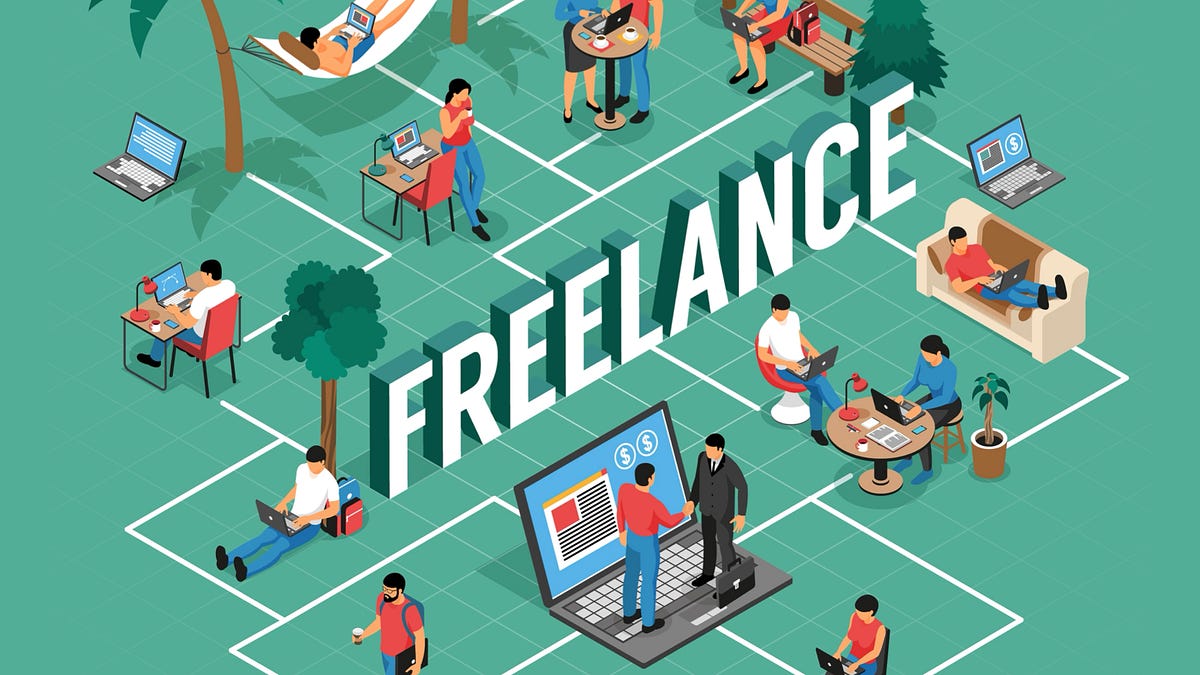
If you have a smartphone, internet access, and the ability to write a coherent sentence, you can start earning within 48 hours through micro-freelancing. This is not an exaggeration. This is the single fastest online side hustle available to broke Nigerians in 2026, and thousands are already doing it.
What Is Micro-Freelancing?
Micro-freelancing means completing small, well-defined tasks for clients online. Think of it as breaking traditional freelancing into bite-sized pieces. Instead of landing a massive web development contract, you’re doing tasks like:
- Transcribing a 10-minute audio file for ₦2,000 to ₦5,000
- Writing a 300-word product description for ₦1,500 to ₦3,000
- Doing basic data entry or spreadsheet cleanup for ₦1,000 to ₦4,000 per task
- Translating short documents between English and Yoruba, Igbo, Hausa, or Pidgin
- Removing backgrounds from product images for ₦500 to ₦1,500 per image
Platforms like Fiverr, PeoplePerHour, and Picoworkers have made this accessible globally. But Nigerian-specific platforms such as Asuqu and various WhatsApp and Telegram task groups have made it even easier for people without international payment methods.
Why This Works When You’re Broke
The barrier to entry is essentially zero. You don’t need a portfolio. You don’t need a degree. You don’t even need a laptop for many tasks, as a phone is enough.
The key is volume. One task pays small. Twenty tasks in a week starts to add up. Many micro-freelancers in Lagos, Ibadan, and Abuja report earning ₦30,000 to ₦80,000 monthly by dedicating two to three hours daily. That’s not life-changing wealth. But when you’re at zero, it’s the difference between eating and not eating.
Realistic Income Potential
- Beginner (first month): ₦15,000 to ₦40,000
- Intermediate (months 2 to 4): ₦40,000 to ₦100,000
- Experienced (6+ months, with reviews): ₦100,000 to ₦250,000+
Skills Required
Basic literacy, attention to detail, and reliability. That’s it. You learn more advanced skills (like basic graphic editing or SEO writing) as you earn your first income.
Time Investment
Two to four hours daily. Can be done at night, early morning, or during lunch breaks.
Barriers to Entry
You need internet access and a device. If you’re reading this article, you already have both.
Real-World Example
Bola, a 24-year-old NYSC member in Enugu, started micro-freelancing on Fiverr in January 2026. Her first gig was proofreading academic abstracts for ₦1,500 each. By March, she was earning ₦60,000 monthly, enough to cover her feeding, transport, and phone bills without relying on her ₦33,000 NYSC allowance alone.
Strategy 2: Reselling Digital Products, the Online Side Hustle That Requires Zero Inventory
You’ve probably seen people on WhatsApp and Twitter (now X) selling e-books, Canva templates, course bundles, and tutorial videos. Some of them created those products. Many of them didn’t. They’re resellers, and this is one of the most underrated rapid cash strategies in Nigeria right now.
How Digital Reselling Works
Here’s the simple version. Someone creates a digital product, like a social media template pack, a business plan template, or a recipe e-book. They offer resell rights, meaning you can buy the product once (sometimes for as little as ₦1,000 to ₦5,000) and then sell it unlimited times, keeping all the profit.
Some products come with full Master Resell Rights (MRR), which means your customers can also resell them. Others come with Personal Use Rights only. You need to check before you start.
Why Broke Nigerians Love This Model
Because the startup cost is incredibly low, the product already exists (so you don’t need to create anything), and you can sell the same item thousands of times without additional cost.
The real work is marketing. You need to put the product in front of people who want it. This means:
- Posting consistently on WhatsApp Status (still the most powerful sales tool in Nigeria)
- Creating simple, eye-catching posts for Twitter/X, Instagram, or Facebook
- Joining relevant Telegram groups and offering genuine value before selling
- Building a small email list using free tools like Mailchimp or Brevo
Realistic Income Potential
- First week (with hustle): ₦5,000 to ₦20,000
- First month (consistent posting): ₦20,000 to ₦80,000
- Established reseller (3+ months): ₦100,000 to ₦500,000+
The variance is huge because it depends entirely on your marketing effort and audience size.
Skills Required
Basic communication, social media literacy, and the ability to write persuasive captions. No coding. No design skills. No fancy equipment.
Time Investment
One to three hours daily for marketing. The rest is automated (once someone pays, you send the file).
Barriers to Entry
You need a small amount to buy your first resell-rights product (₦1,000 to ₦5,000). If even that feels impossible, some creators offer affiliate arrangements where you earn a commission without buying the product yourself.
Watch Out For
Not every “resell rights” claim is legitimate. Verify that the original creator actually grants those rights. Selling pirated courses or copyrighted material can get your payment accounts banned.
Strategy 3: WhatsApp-Based Service Brokering, the Invisible Online Side Hustle
This strategy is pure Nigerian ingenuity, and it’s blowing up in 2026. Here’s the concept: you don’t need to have a skill to sell a skill. You just need to know someone who does.
What Is Service Brokering?
You act as a middleman (or middlewoman) between people who need services and people who provide them. Your WhatsApp phone becomes your office.
For example:
- A friend is great at making hair but terrible at finding customers. You find the customers on social media, connect them, and take a 15% to 25% cut.
- A neighbor does excellent house painting. You post his services on local Facebook groups, handle inquiries, and charge a finder’s fee.
- You know someone who can design flyers. You sell flyer design services on your WhatsApp status, outsource the work to them, and pocket the difference.
This is essentially how agencies work. You’re just doing it with a phone and zero startup capital.
Why This Is Perfect for Survival Mode
Because you don’t need to learn a new skill. You don’t need to invest money. You don’t need equipment. All you need is:
- A contact list of skilled people (friends, family, acquaintances)
- The ability to market their services
- Basic negotiation skills
Realistic Income Potential
- First deals: ₦5,000 to ₦15,000 per transaction
- Weekly (with 3 to 5 deals): ₦15,000 to ₦50,000
- Monthly (established broker): ₦60,000 to ₦200,000+
Skills Required
Communication, negotiation, and follow-through. You must be reliable. If you connect a client to a bad service provider, your reputation is done.
Time Investment
Highly variable. Could be one hour a day posting and responding. Some weeks are slow. Others are busy. The flexibility is the whole point.
Real-World Example
Chinedu in Port Harcourt started brokering plumbing and electrical services through his personal WhatsApp in late 2025. He posted daily on his Status, created a simple broadcast list, and started connecting artisans with homeowners. By February 2026, he was brokering 10 to 15 jobs per month, earning an average of ₦120,000 monthly without lifting a single wrench.
Strategy 4: AI-Assisted Content Creation, the New-Era Online Side Hustle
If 2025 was the year AI tools became mainstream, 2026 is the year smart Nigerians started monetizing them. This isn’t about replacing human creativity. It’s about amplifying what you can do, faster and at a higher volume.
What Does AI-Assisted Content Creation Look Like?
You use AI tools (ChatGPT, Claude, Jasper, Canva’s AI features, CapCut’s AI editing) to produce content that businesses and individuals will pay for. The AI handles the heavy lifting. You provide the human judgment, cultural context, and quality control.
Services you can offer include:
- Social media caption writing for small businesses (₦2,000 to ₦10,000 per batch)
- Blog post drafting and editing (₦5,000 to ₦30,000 per article)
- Product description writing for e-commerce stores (₦1,500 to ₦5,000 per product)
- AI-enhanced video editing for TikTok/Instagram Reels (₦3,000 to ₦15,000 per video)
- Resume and cover letter writing (₦5,000 to ₦15,000 per client)
- Business plan drafting (₦20,000 to ₦100,000 depending on complexity)
Why This Is a Game-Changer in 2026
Because AI dramatically reduces the time required to produce quality content. A blog post that used to take five hours now takes one to two hours with AI assistance. That means you can serve more clients, earn more money, and still have time for other things.
Nigerian small businesses are desperate for content. Every tailor, restaurant, salon, and logistics company needs social media posts, product descriptions, and marketing copy. Most of them can’t afford a full-time content creator. But they can afford to pay someone ₦30,000 to ₦50,000 monthly to handle their content.
That someone can be you.
Realistic Income Potential
- Beginner (first month, 2 to 3 clients): ₦30,000 to ₦80,000
- Intermediate (3 to 5 clients): ₦80,000 to ₦200,000
- Advanced (agency model, 10+ clients): ₦200,000 to ₦500,000+
Skills Required
Basic writing ability, familiarity with AI tools (most are intuitive and have free tiers), and an understanding of what Nigerian businesses actually need. You also need taste. AI can produce content, but a human must judge whether it sounds natural, culturally appropriate, and genuinely useful.
Time Investment
Two to five hours daily, depending on client load. Much of the workflow can be batched (write all posts for the week in one sitting).
Barriers to Entry
You need internet access and basic familiarity with AI tools. Most tools have free tiers (ChatGPT free, Canva free, CapCut free). No financial investment required.
Important Nuance
Never sell pure AI-generated content without editing and personalizing it. Clients pay for content that sounds like their brand, not generic AI output. Your value is in the curation, customization, and cultural adaptation.
Strategy 5: Paid Online Research and Virtual Assistance, the Quiet Online Side Hustle
This is the strategy nobody posts about on Twitter/X because it’s not flashy. There are no screenshots of huge payments. No motivational threads. Just steady, quiet income from doing organized, detail-oriented work that busy people don’t have time to do themselves.
What Does This Look Like in Practice?
A “virtual assistant” sounds like a fancy corporate title, but in reality, it means helping someone manage their digital life. For Nigerian freelancers, common VA tasks include:
- Managing email inboxes (reading, sorting, responding to routine messages)
- Scheduling social media posts using tools like Buffer or Hootsuite
- Conducting online research (market research, competitor analysis, travel planning)
- Data entry and spreadsheet organization
- Customer service via DMs, WhatsApp, or email
- Managing online calendars and booking appointments
You don’t need formal training. Many Nigerian VAs start by offering their services to diaspora Nigerians (abroad) who need someone to handle Nigeria-side tasks: following up with NEPA, tracking deliveries, managing rental properties remotely, or coordinating with local vendors.
Why It Pays Consistently
Virtual assistance is relationship-based. Once a client trusts you, they tend to keep you. Monthly retainer arrangements are common, ranging from ₦30,000 to ₦150,000 per client depending on the workload. Some VAs work with two or three clients simultaneously, earning a combined ₦150,000 to ₦400,000 monthly.
According to FlexJobs’ 2025 Remote Work Report, virtual assistance remains among the top 10 most in-demand remote work categories globally, with growing demand from African entrepreneurs and small business owners.
Realistic Income Potential
- Single client (part-time): ₦30,000 to ₦80,000/month
- Two to three clients: ₦80,000 to ₦250,000/month
- Specialized VA (e.g., real estate VA, e-commerce VA): ₦200,000 to ₦500,000+/month
Skills Required
Organization, responsiveness, basic tech literacy (Google Workspace, Microsoft Office, Trello or Notion), and good communication. Trustworthiness is paramount. You’ll often have access to sensitive information.
Time Investment
Three to six hours daily, depending on client needs. Most VA work is flexible. You can work early mornings, late nights, or split shifts.
How to Find Clients When You’re Starting from Zero
- Post on your personal social media that you’re available for VA work. Be specific about what you can do.
- Join Nigerian freelancer communities on Facebook and Telegram.
- Reach out directly to busy entrepreneurs, content creators, or small business owners you admire. Offer a free one-week trial.
- List your services on Upwork, OnlineJobs.ph (for virtual assistance specifically), or Fiverr.
Real-World Example
Adaeze, a recent graduate in Owerri with no work experience, offered free one-week VA trials to three Instagram business owners in January 2026. Two of them converted into paying clients at ₦50,000 and ₦40,000 monthly respectively. By April, through referrals, she had five clients and was earning over ₦250,000 monthly, all from her phone and a secondhand laptop.
Strategy 6: Community-Based Selling and Local Digital Commerce, the Hybrid Online Side Hustle
Not every survival strategy requires you to be fully online. In fact, one of the most effective rapid cash approaches in Nigeria blends digital marketing with hyperlocal selling. It meets the Nigerian consumer where they actually are: on WhatsApp, in Facebook community groups, and at local pickup points.
What Is Community-Based Digital Commerce?
It’s simple. You sell physical or semi-physical products to people in your immediate community (your estate, campus, local government area, or city), but you use digital tools to find customers, take orders, and manage payments.
Products that work well for this model include:
- Food and snacks: Chin-chin, zobo, small chops, grilled fish, pastries. Nigerians eat, and someone nearby is always hungry.
- Everyday essentials: Bulk-bought toiletries, cleaning supplies, or groceries resold at slight markup with free delivery within the area.
- Phone accessories: Chargers, earpieces, screen protectors, phone cases. Buy in bulk from Computer Village or Alaba, sell via WhatsApp.
- Thrift clothing (okrika): Curate selections, photograph nicely, sell via Instagram or WhatsApp.
- Printed materials: If you have access to a printer (even at a business center), offer printing and binding services marketed online.
Why This Works for Broke Nigerians
Because many of these businesses can start with ₦2,000 to ₦10,000. Some can start with zero if you take pre-orders (collect payment before buying supplies).
The digital component (posting on WhatsApp Status, creating a simple Instagram page, joining local buy-and-sell Facebook groups) gives you reach without needing a physical shop. The local component means you can handle delivery yourself, on foot or by motorcycle, and build trust through face-to-face interactions.
Realistic Income Potential
- Small-scale (first month): ₦10,000 to ₦40,000 profit
- Growing (consistent sales, 2 to 3 months in): ₦40,000 to ₦150,000 profit
- Established local brand: ₦150,000 to ₦500,000+ profit
These numbers vary wildly depending on your product, location, and effort. Food businesses in dense areas (campus towns, estates, markets) tend to earn the most at the lower end of startup investment.
Skills Required
Basic cooking or sourcing ability, social media posting, customer service, and basic math for pricing and profit calculation.
Time Investment
Three to eight hours daily, depending on whether you’re producing (cooking, packaging) or just reselling. Weekends tend to be the busiest.
Barriers to Entry
Minimal capital (₦2,000 to ₦10,000 for many products). The pre-order model eliminates even this barrier, as you collect money first and buy supplies with customer funds.
Payment Methods
Offer multiple options to remove friction: bank transfer, Opay, PalmPay, Moniepoint. The easier you make payment, the more you sell.
A Note on Scaling
Many of Nigeria’s now-established food and retail brands started exactly like this. Someone selling zobo from their house, marketing on WhatsApp. The difference between a survival side hustle and a real business is simply consistency and reinvestment. Start by surviving. Then, once you stabilize, reinvest profits to grow.
Comparison Table: Picking the Right Online Side Hustle for Your Situation
Not every strategy suits every person. Here’s a side-by-side comparison to help you choose based on your current reality.
| Strategy | Income Potential (Monthly) | Time Required (Daily) | Skill Level | Startup Cost | Flexibility | Best For |
|---|---|---|---|---|---|---|
| Micro-Freelancing | ₦15,000 – ₦250,000+ | 2 – 4 hours | Beginner | ₦0 | Very High | Anyone with a phone and internet |
| Digital Product Reselling | ₦20,000 – ₦500,000+ | 1 – 3 hours | Beginner | ₦1,000 – ₦5,000 | Very High | Social media-savvy users |
| WhatsApp Service Brokering | ₦15,000 – ₦200,000+ | 1 – 3 hours | Beginner | ₦0 | Very High | People with wide social networks |
| AI-Assisted Content Creation | ₦30,000 – ₦500,000+ | 2 – 5 hours | Beginner to Intermediate | ₦0 | High | Writers, creatives, communicators |
| Virtual Assistance | ₦30,000 – ₦500,000+ | 3 – 6 hours | Beginner to Intermediate | ₦0 | High | Organized, reliable, detail-oriented people |
| Community-Based Selling | ₦10,000 – ₦500,000+ | 3 – 8 hours | Beginner | ₦0 – ₦10,000 | Moderate | Campus students, estate residents, local communities |
How to Read This Table
If you need money within 48 hours and have zero naira, start with micro-freelancing or WhatsApp service brokering. Both require no money to begin.
If you have even ₦2,000 to ₦5,000, digital product reselling or community-based selling gives you a product to sell immediately.
If you want something more sustainable that can grow into a real career, AI-assisted content creation or virtual assistance is your play.
Many people combine two or three of these strategies simultaneously. There’s no rule that says you must pick just one.
Risks, Scams, and Realistic Expectations: What Every Broke Nigerian Must Know
Here’s the section most “make money online” articles skip. And it’s arguably the most important one.
Scam Warning: You Are a Target
When you’re broke, you’re vulnerable. Scammers know this. They design their pitches specifically to appeal to desperate people. Here are the biggest red flags in Nigeria’s 2026 online hustle space:
- “Pay ₦5,000 to unlock our earning platform.” Legitimate freelancing platforms do not charge you to join. If someone asks you to pay before you can earn, it’s almost certainly a scam.
- “Earn ₦50,000 daily doing simple tasks.” No beginner earns ₦50,000 daily. Period. If the promise sounds too good, it is.
- “Join our WhatsApp investment group.” These are overwhelmingly Ponzi schemes or crypto scams. The money comes from new members, not from any real investment. When recruitment slows, the scheme collapses and you lose everything.
- “Send your BVN/ATM PIN to verify your account.” No legitimate platform, employer, or client will ever need your BVN, ATM PIN, or full banking credentials. This is phishing.
- Fake job offers that arrive via random emails or DMs. Always verify the company independently. Search for reviews. Check if the company has a real website, a real address, and a real track record.
Realistic Expectations
Let’s be blunt about what these strategies will and won’t do:
They will:
- Put real money in your pocket within days to weeks
- Build skills that become more valuable over time
- Give you breathing room to think, plan, and stabilize
- Potentially grow into full-time income if you’re consistent
They won’t:
- Make you rich overnight
- Work without effort (every strategy requires consistent daily action)
- Replace a stable full-time income immediately (some will eventually, but not in week one)
- Work if you quit after three days because you haven’t seen results
The Consistency Tax
Every one of these strategies has an awkward, uncomfortable beginning phase where you’re working and earning little or nothing. This is normal. It’s not a sign that the strategy doesn’t work. It’s the “consistency tax,” the price you pay before results compound.
Most people who fail at online side hustles fail because they stop during this phase. They try for five days, earn ₦3,000, and conclude that it doesn’t work. The people who succeed are the ones who push through that first week, then the first month, until momentum kicks in.
Protect Your Mental Health
Being broke is stressful. Hustling when you’re broke is even more stressful. Please don’t sacrifice sleep, relationships, or your mental health in the pursuit of income. Take breaks. Ask for help when you need it. Talk to someone you trust.
Nigeria’s hustle culture sometimes glorifies suffering, as if rest is laziness. It’s not. You need energy to earn. Burnout doesn’t pay bills.
How to Get Paid: Payment Methods That Actually Work for Nigerians in 2026
This is a practical concern that trips up many new hustlers, especially those earning from international clients.
For Local Clients (Within Nigeria)
- Direct bank transfer: Still the most common method. Use GTBank, Access, Zenith, or any standard bank.
- Mobile payment apps: Opay, PalmPay, and Moniepoint are widely accepted and often have zero or minimal transfer fees.
- USSD transfers: For clients without smartphones, bank USSD codes (e.g., *737# for GTBank) allow instant transfers.
For International Clients
- Payoneer: The most popular option for Nigerian freelancers. Withdraw directly to your Nigerian bank account in naira.
- Wise (formerly TransferWise): Excellent exchange rates. Works well for receiving payments from European and American clients.
- Grey.co and Chipper Cash: Nigerian-founded fintech platforms that provide virtual USD, GBP, and EUR accounts. Many freelancers use these to receive Stripe or PayPal-adjacent payments.
- Direct crypto payments: Some international clients pay in USDT or USDC. You can convert to naira through peer-to-peer exchanges like Quidax, Luno, or Bybit’s P2P platform. Exercise caution and use only reputable platforms.
Important Tax Note
Yes, you should be aware that income is technically taxable in Nigeria, even informal income. In practice, most micro-earners are below the personal income tax threshold. But as your income grows, consider registering with your state’s internal revenue service. Staying compliant protects you long-term.
The Psychology of Starting from Zero: Why Your Mindset Matters More Than Your Strategy
This might sound like motivational fluff, but hear me out. The biggest obstacle most broke Nigerians face isn’t a lack of information. It’s the paralysis that comes from shame, fear, and overwhelm.
Shame Is Expensive
Many people won’t post on their WhatsApp Status that they’re offering a service because they’re embarrassed. “What will people think? They’ll know I’m struggling.”
Here’s the truth: people think about you far less than you imagine. Most people scrolling through your Status are thinking about their own problems. And the ones who do notice? Some of them will become your first customers.
The cost of silence is much higher than the cost of embarrassment. Every day you don’t put yourself out there is a day you don’t earn.
Start Ugly
Your first flyer will be badly designed. Your first pitch will be awkward. Your first client interaction will feel uncomfortable. That’s fine. Perfectionism is a luxury for people who aren’t broke.
Start ugly. Improve later. Revenue first, aesthetics second.
The ₦1,000 Goal
If the strategies above feel overwhelming, simplify your first goal: earn ₦1,000 today. Just one thousand naira. From any strategy. Through any means.
Once you earn that first ₦1,000, the psychological barrier breaks. You have proof that it works. You have momentum. The second thousand comes easier. The tenth thousand feels inevitable.
Bonus: Free Tools Every Broke Nigerian Side Hustler Should Know About
You don’t need to spend money on tools. Here are free resources that support every strategy in this article:
- Canva (free tier): Design flyers, social media posts, and marketing materials
- ChatGPT (free tier): Draft content, brainstorm ideas, write emails, and create proposals
- Google Docs/Sheets: Professional document creation and spreadsheet management, zero cost
- WhatsApp Business (free): Create a business profile, set up auto-replies, organize customer chats with labels
- Buffer (free tier): Schedule social media posts across platforms
- Trello (free): Organize tasks and manage multiple clients
- Mailchimp (free tier): Build an email list of up to 500 contacts
- Remove.bg (free): Remove image backgrounds for product photos
- InShot / CapCut (free): Edit videos for TikTok, Instagram Reels, and YouTube Shorts
Every one of these tools works on a smartphone. You don’t need a laptop to start, although having one eventually helps as you scale.
Conclusion: You Were Not Designed to Stay Broke
If you’ve read this far, you’re already ahead of most people. Seriously. Most broke people scroll past articles like this. They tell themselves “I’ll read it later” and never do. You didn’t do that. You invested your time, your attention, and your hope into this piece. That matters.
Let me be real with you one final time: none of these strategies is a magic wand. There’s no secret button that deposits money into your account while you sleep. Every approach described here requires work, consistency, and a willingness to be uncomfortable.
But here’s what I know to be true after eight years of writing about financial survival in Nigeria: the people who escape the zero-naira trap are rarely the most talented, the most connected, or the most lucky. They’re the ones who start. They pick one strategy. They do it badly for a week. They adjust. They keep going. And within 30 to 90 days, their life looks different.
You have a phone. You have internet (you’re reading this). You have at least one of the six strategies above that fits your skills, your situation, and your life.
The only question left is: will you start today?
Your Next Move
Which of these six survival cash strategies fits your current situation best? Drop your answer in the comments below. If you’ve already tried one of these strategies and have results (good or bad), share your experience. Your story might be exactly what another broke Nigerian needs to hear today.
And if you found this useful, send it to one person you know who’s struggling right now. Not to your group chat where it’ll get buried under memes. Send it directly, with a personal message: “I thought of you. Read this.”
That’s how we survive. Together.
Have a specific question about getting started with any of these strategies? Leave it in the comments or reach out on social media. We read every single message.